Spa Experience & Etiquette Guides
Everybody can Spa in their own way. Whether it’s ultimate pampering or pure relaxation. Whether you crave a more beautiful version of you on the outside or an equally exalted sense of well-being on the inside. Spafinder and our elite spa destinations are likely to have just what you’re after. Delve into the perfect treatments for brides, moms, best friends and men.


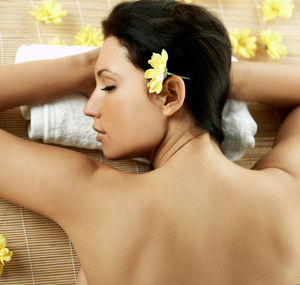
Spa nudity etiquette is becoming less of a problem as spa travel increases around the world. Spas, in their endeavor to attract an international demographic of visitors, make an effort for all to be comfortable.
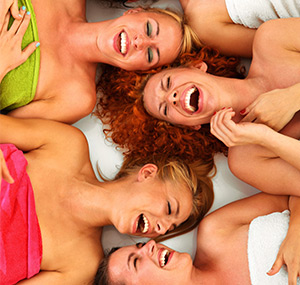
Read Spafinder’s helpful tips for planning a bachelorette party in the spa. From whether to make it a daytime or evening affair, to the perfect number of friends to bring, our Bachelorette Spa Guide has everything you need.
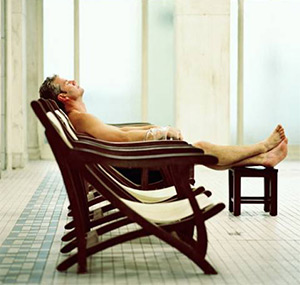
Some men find the spa intimidating or even embarassing – but we want to put their minds to rest! The spa helps men de-stress, relax and recharge their batteries. We dispel common concerns with our Men’s Spa Guide.
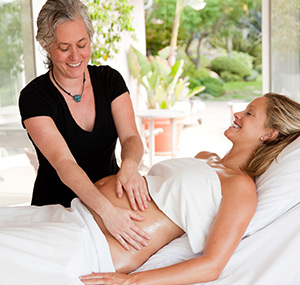
Mums-to-be can benefit so much from regular spa visits – but there are certain treatments and areas of the spa to avoid. Learn about how to enjoy a safe & relaxing spa visit with our Pregnancy Spa Guide.
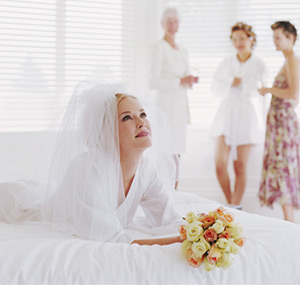
Discover which spa treatments are best for brides, common beauty disasters, plus whether or not to take your fiancé to the spa with our Bridal Spa Guide.
Spa breaks have the power to be life-changing. Expert detox programs and world-class medical spas can help you address health & emotional issues.
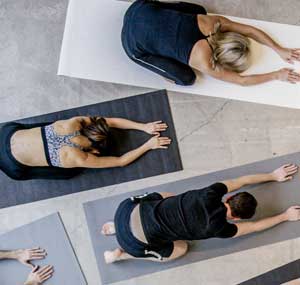
Learn sustainable nutritional and physical habits to continue once you return home. From personal training, to nutritional counseling, to week long retreats.
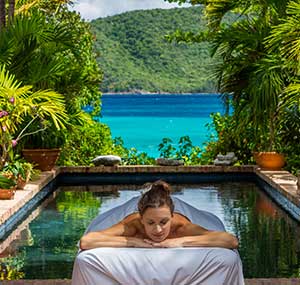
A luxury spa break is a pause from the everyday. Enjoy world class spa treatments, unique locations, superb hospitality. Discover your LUXURY spa break!

These getaway resorts blend championship courses with top-level spas, fine dining, luxurious accommodations, and an array of recreational opportunities.
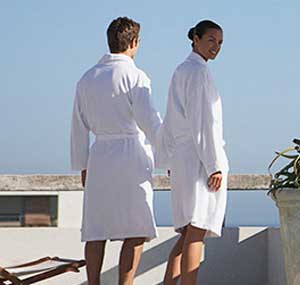
Reconnect with a relaxation escape. Healthy cuisine, idyllic locations and luxurious treatments combine to deliver relaxation, a detox and utter realignment.

Fit and Healthy starts today. Activity comes in many shapes and sizes. Embrace movement, get your blood flowing, breath in nature and simply explore the outdoors.
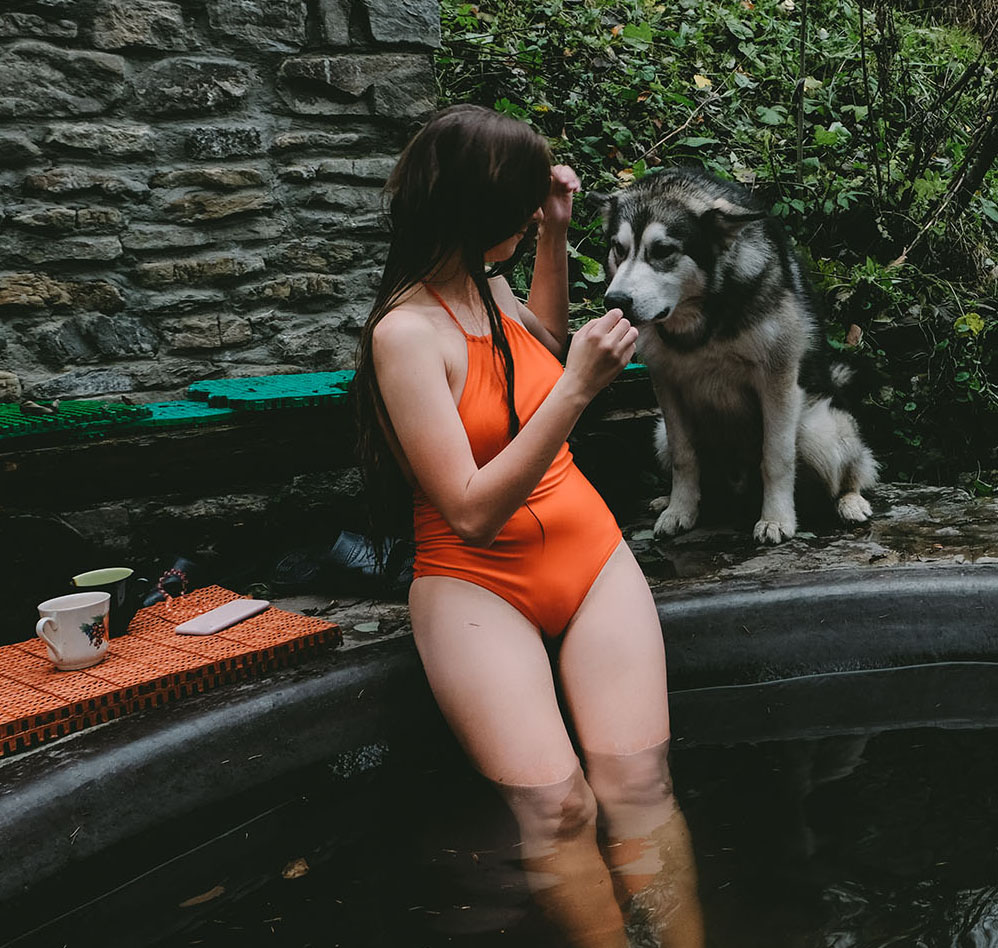
Pets are part of the family, and for many pet owners, leaving our beloved friends behind is not an option. Here are some of our favorite pet-friendly resorts, spas and hotels.
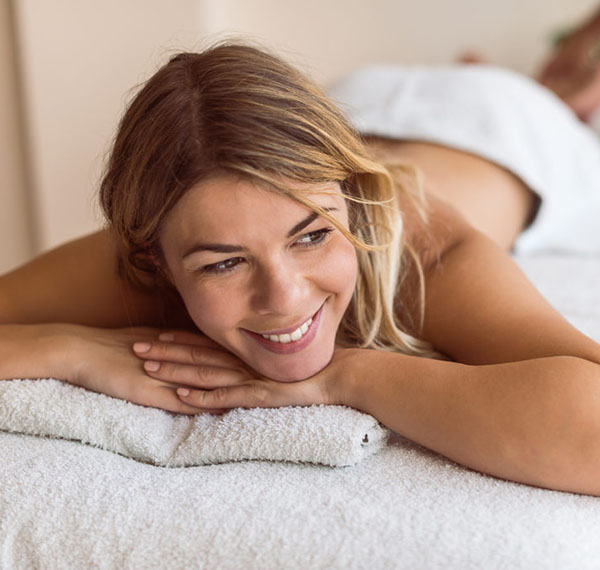
You’re probably aware of the many benefits of massage. But do you know your lomilomi from your tui na, and when to choose one style over another?
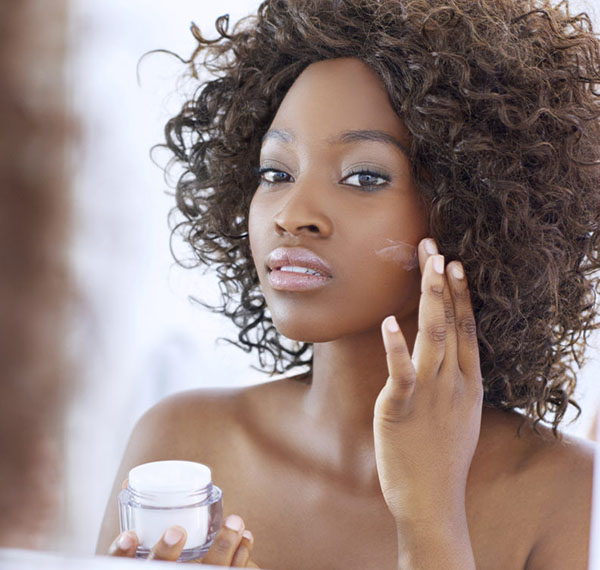
Facials are a great way to maintain skin health and treat all skin types. Find out what to expect when you get a facial and read about popular types of facials.
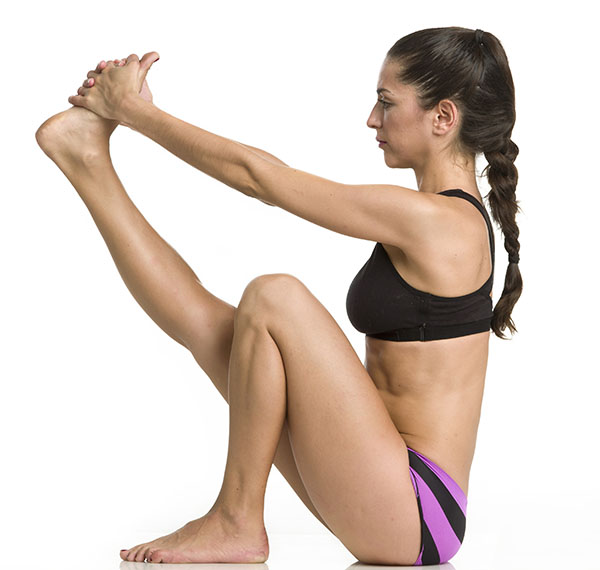
This will help you get started thinking about the kind of practice that best fits your needs. Of course, also experimenting with different classes and instructors.
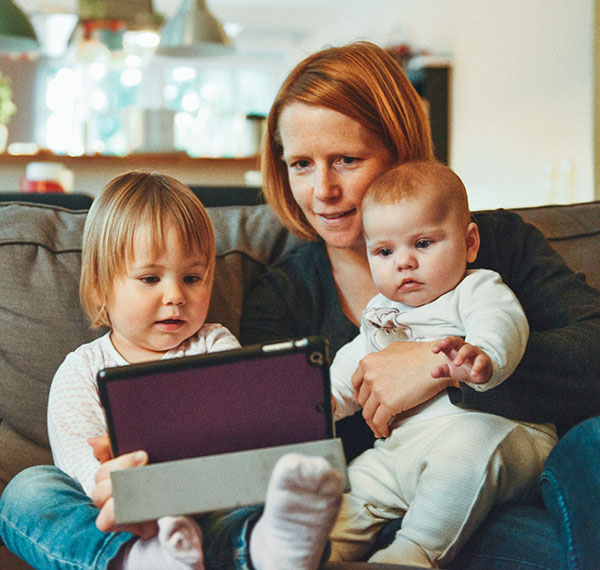
New Moms deserve a little me time. Sign up for a massage and a self care appointment or try a class to reset.
GET 20% OFF SPAFINDER GIFT CARDS
Get 20% off Spafinder Gift Cards! Sign Up Today!