Pilates
Strengthen your core, improve your posture, and enhance flexibility through controlled, precise movements.
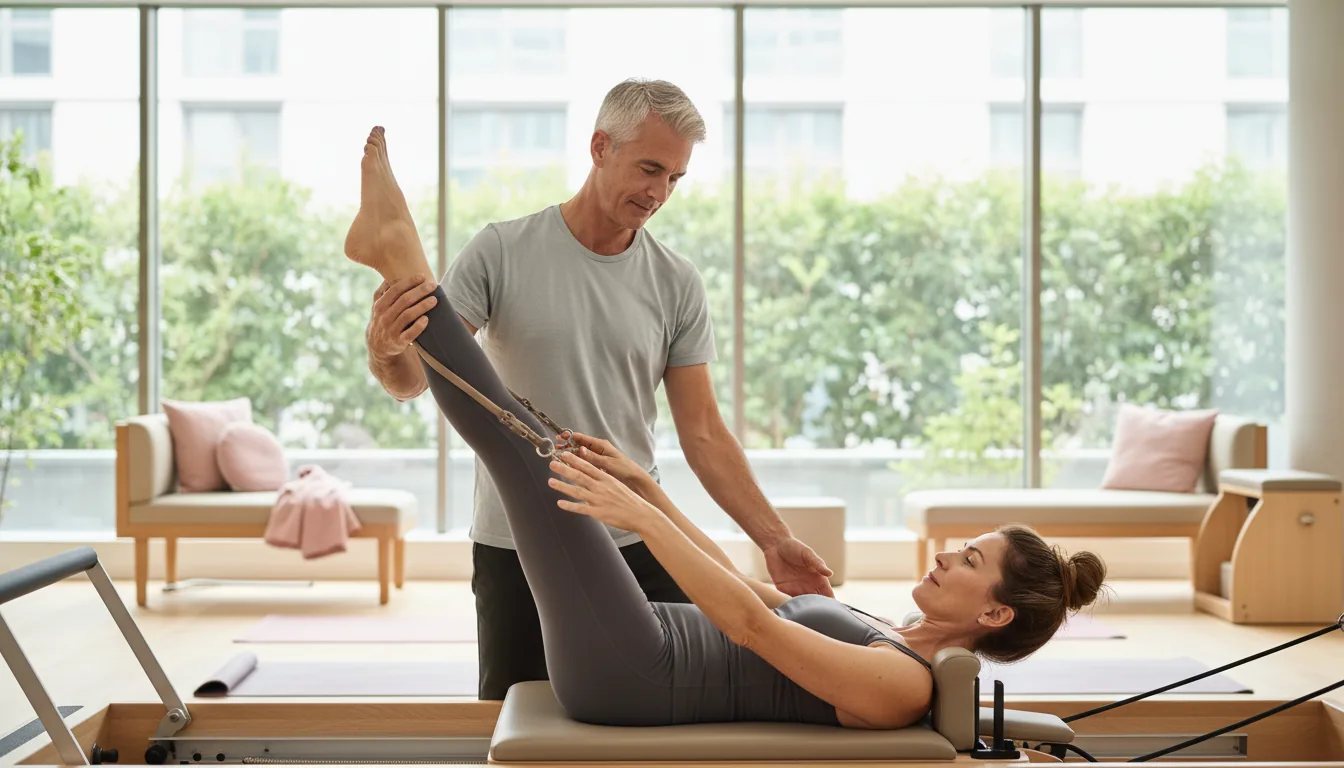
Pilates is a low-impact exercise method developed to tone muscles and improve balance while focusing on a strong core. Originally created in the 1920s, this practice integrates breath and movement to support overall physical health and body awareness.
What is Pilates
Pilates was developed by Joseph Pilates in the 1920s as a way to rehabilitate and strengthen the body. It focuses on the powerhouse, which includes the abdominal muscles, lower back, hips, and glutes. The practice is built on six core principles: centering, concentration, control, precision, breath, and flow.
These elements work together to ensure that every movement is intentional and effective. By focusing on quality over quantity, you can build lean muscle and improve your coordination without the heavy impact associated with other fitness routines.
- Centering: Bringing focus to the core of the body.
- Concentration: Giving full attention to each movement.
- Control: Performing every exercise with deliberate muscle control.
- Precision: Ensuring proper alignment and placement.
- Breath and Flow: Using rhythmic breathing to transition between movements.
What to expect during your visit
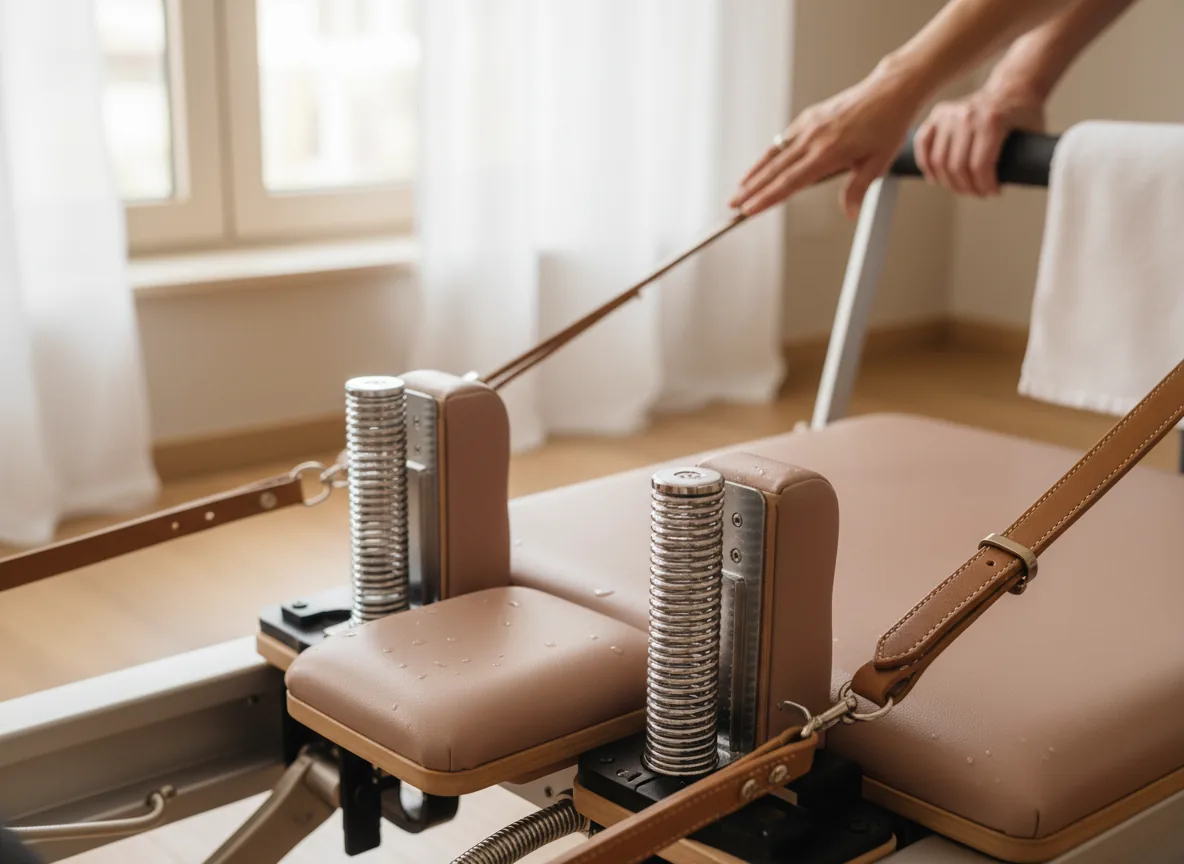
You will typically find two main types of classes: mat-based and equipment-based. Mat Pilates uses your own body weight for resistance, while equipment-based sessions use specialized machines like the Reformer, Cadillac, or Wunda Chair. In a typical class, an instructor guides you through a series of controlled movements designed to lengthen and strengthen your muscles.
If you have any pre-existing health conditions or are pregnant, you should consult with your doctor before beginning a new fitness routine. Instructors can often provide modifications to ensure the workout is safe and appropriate for your current physical state.
Benefits and who it suits
This method is suitable for people of all fitness levels because exercises are easily modified to meet your specific needs. It is often recommended for those looking to improve their posture or alleviate chronic back pain by strengthening the supporting muscles of the spine. While it was once favored primarily by dancers, it is now a staple for athletes and beginners alike who want to build functional strength.
Regular practice can lead to improved balance, better flexibility, and a more toned physique. Because it is low-impact, it is a sustainable choice for long-term joint health and overall wellbeing.
Tips for your session
For your first visit, arrive a few minutes early to meet your instructor and discuss your goals or any physical limitations. Wear form-fitting clothing so the instructor can see your alignment and provide corrections. Most studios require grip socks for safety and hygiene, especially when using equipment.
Stay hydrated and try to avoid eating a heavy meal immediately before your class. Focus on your breathing throughout the session to help engage your core and maintain a steady rhythm.
Pilates questions
What is the difference between Mat and Reformer Pilates?
Mat Pilates is performed on the floor using a padded mat and relies on body weight for resistance. Reformer Pilates uses a machine with springs and pulleys to provide varied resistance and support. Both methods focus on the same core principles and offer similar benefits for strength and flexibility.
Do I need to be flexible to start Pilates?
You do not need to be flexible to begin a Pilates practice. One of the primary goals of the exercise is to help you increase your range of motion over time. Most movements can be modified to accommodate your current level of flexibility as you progress.
Is Pilates effective for back pain?
Pilates is frequently used to help manage back pain by strengthening the core muscles that support the spine. By improving posture and pelvic alignment, it can reduce the strain on the lower back. However, you should always check with a healthcare provider before starting for this purpose.
How often should I practice Pilates to see results?
Consistency is key to seeing improvements in strength and posture. Many practitioners recommend attending classes two to three times per week. You may begin to feel a difference in your core stability and body awareness after just a few consistent sessions.
Can I use a Spafinder gift card for Pilates classes?
Yes, Spafinder gift cards are accepted at thousands of participating fitness studios, spas, and wellness centers. You can use the search tool on the Spafinder website to find a location near you that offers Pilates and other fitness services.
Treat someone to Pilates
A Spafinder gift card is accepted at thousands of spas, salons and studios. They choose the place and the time; you give the moment.
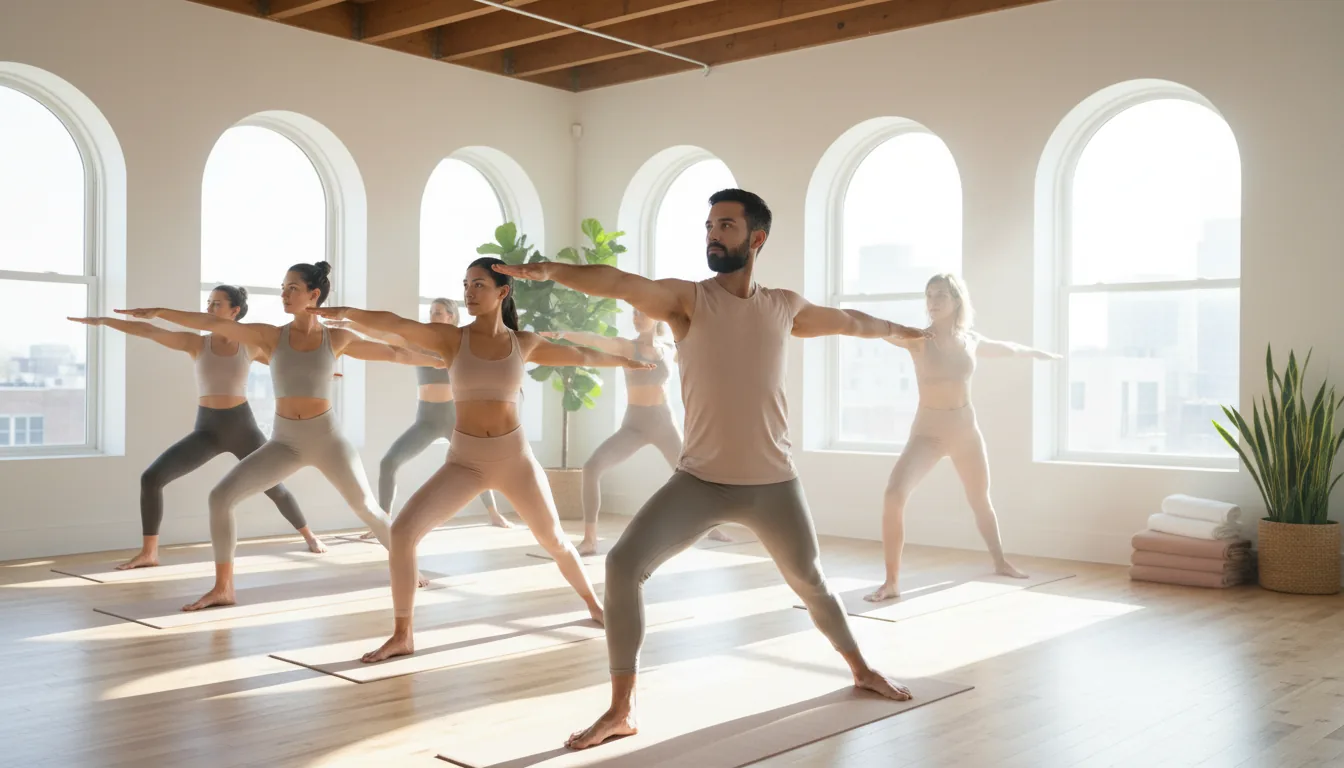
Yoga
Strengthen your body and calm your mind through intentional movement and breathwork.
Explore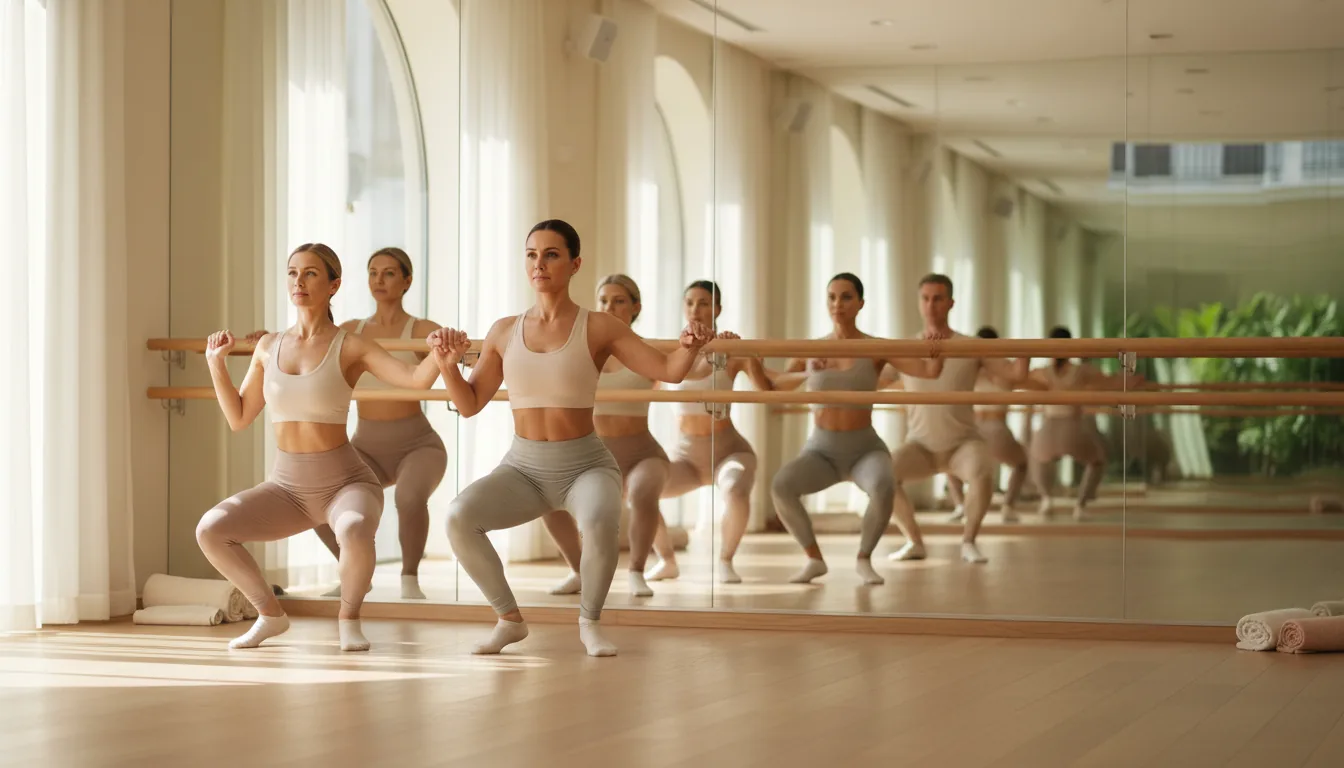
Barre
Build lean muscle and improve your posture with high-repetition, low-impact movements.
Explore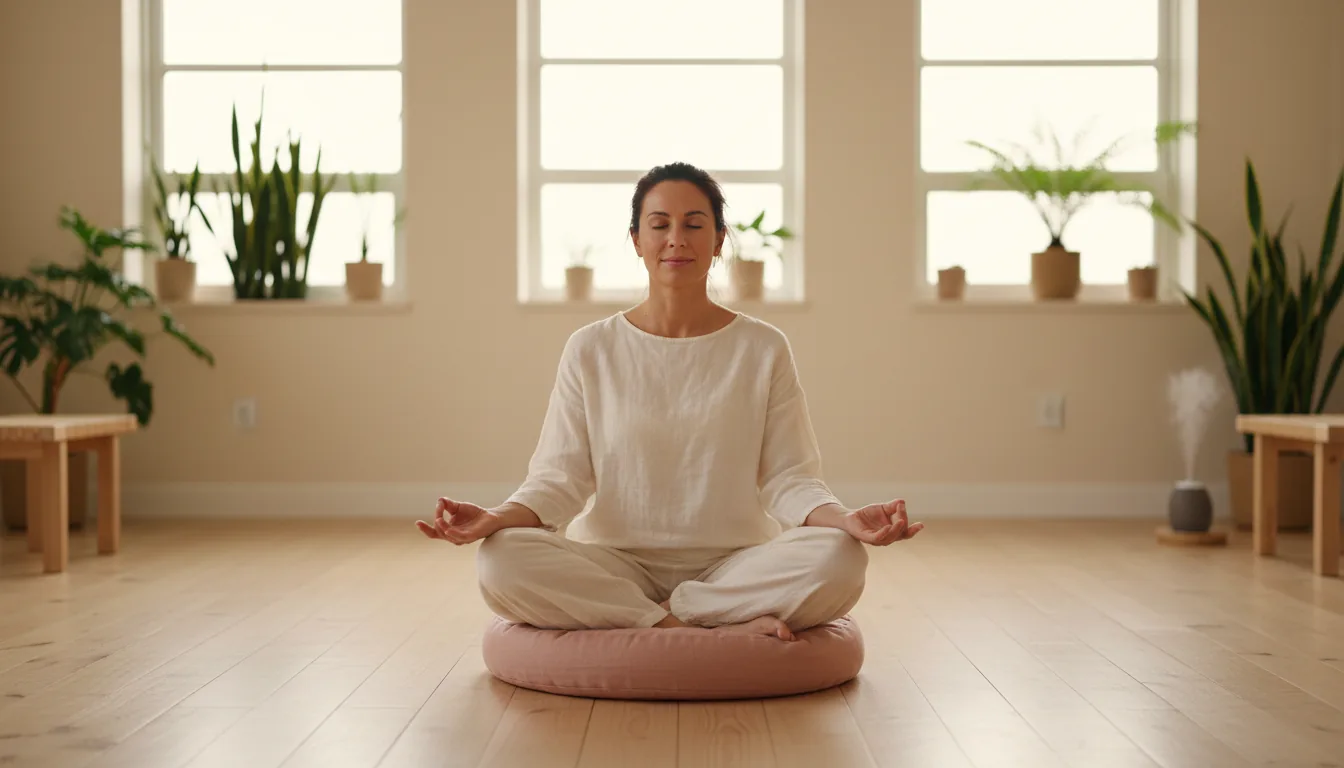
Meditation
Cultivate mindfulness and mental clarity through guided or self-directed quiet practice.
Explore