Health
Colostrum, the Latest Must-Have for Optimum Health
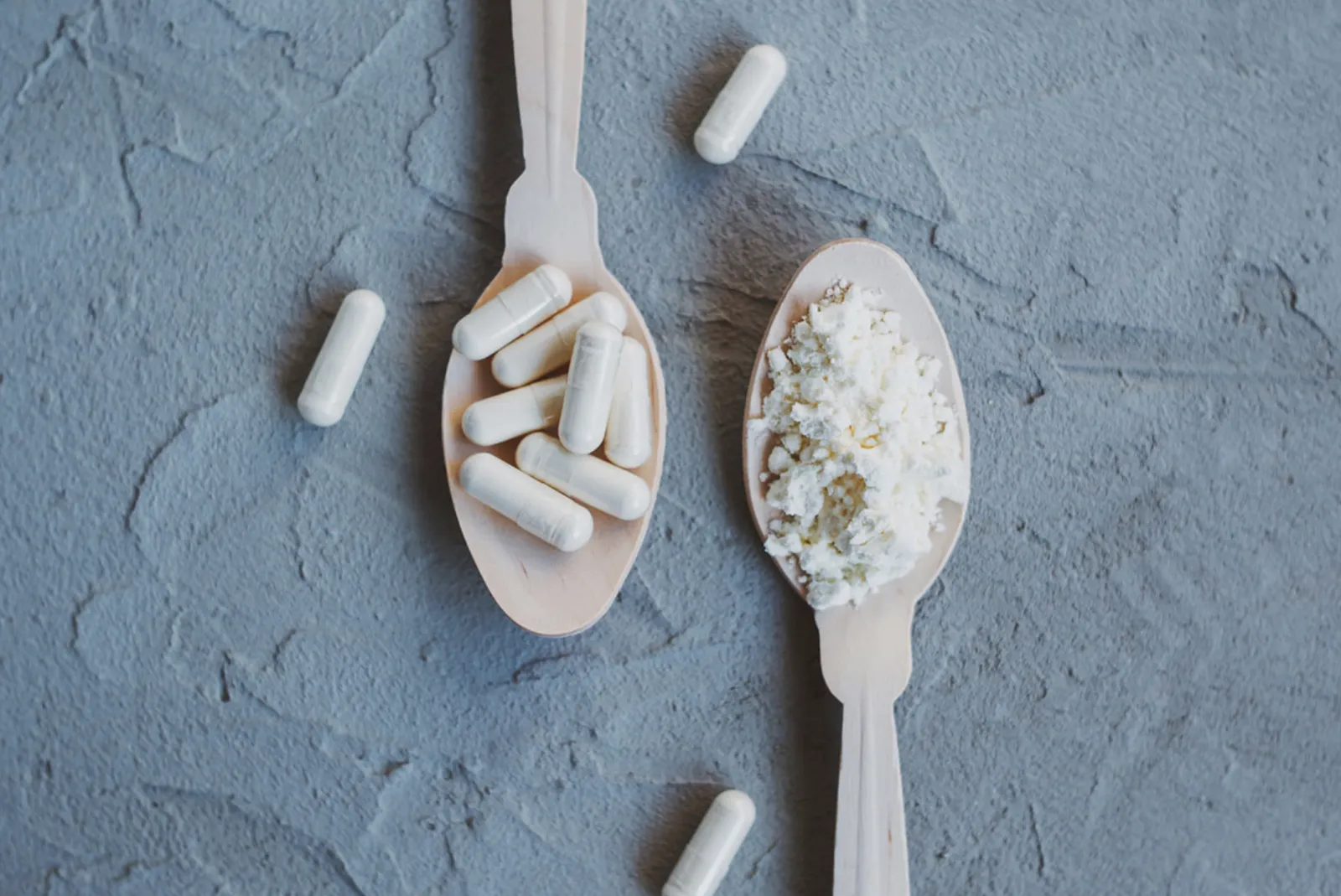
Colostrum supplements are all the rage but what are they really, what are they good for, and are they safe in the long run?
In Dr. Clower’s final post for his Sun Safe Foods series he’s explaining about the internal sun protection power of omega-3 fatty acids.
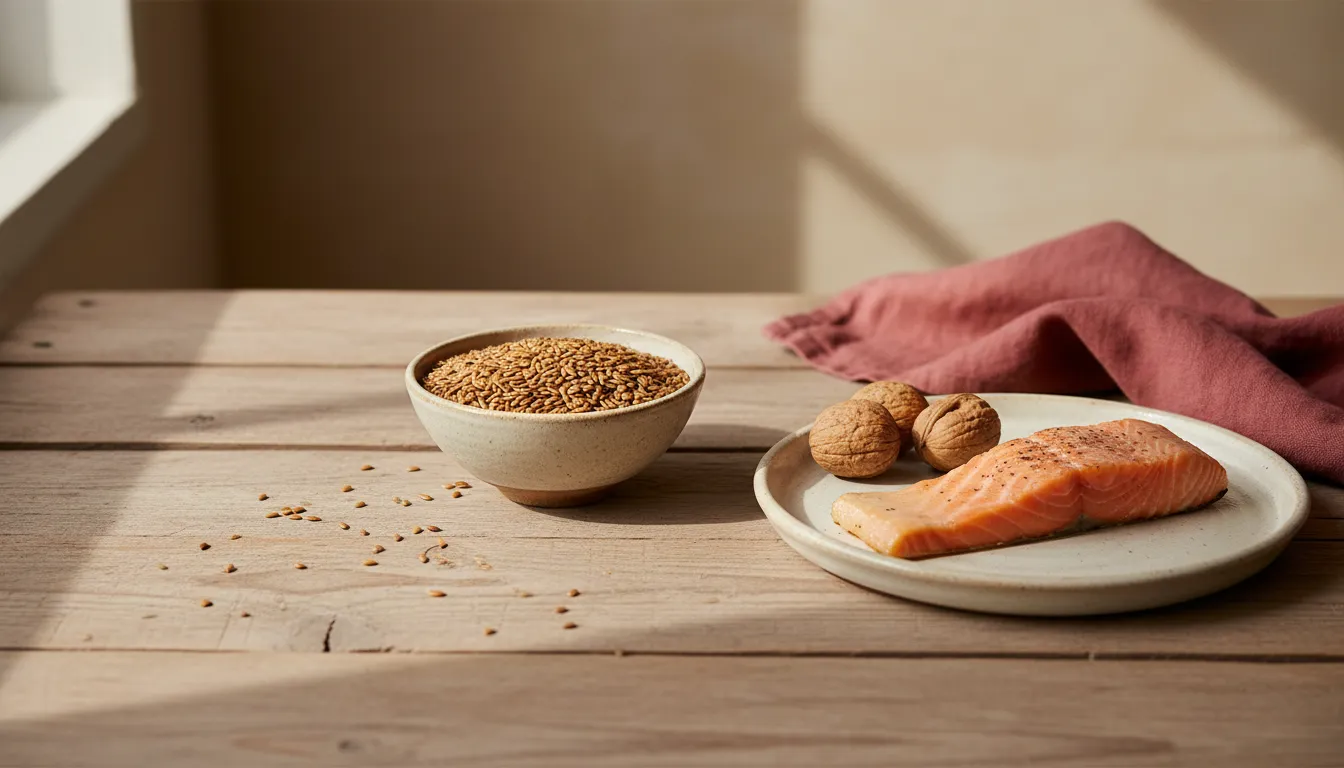
 In Dr. Clower’s final post for his Sun Safe Foods series he’s explaining about the internal sun protection power of omega-3 fatty acids. While we all know the immeasurable benefits of omega-3’s for our heart and within our beauty routines, it turns out this essential fatty acid is also great for protection our skin from the harmful rays of the sun.
The health benefits of omega-3 fatty acids are very well known, especially for reducing the risk of heart disease and stroke. There are 2 basic kinds of omega-3s – docosahexaenoic acid (DHA) and eicosapentenoic acid (EPA) – which, beyond the benefits they bring for your ticker, are also associated with lower risk of Alzheimer’s disease, depression, and even longevity.
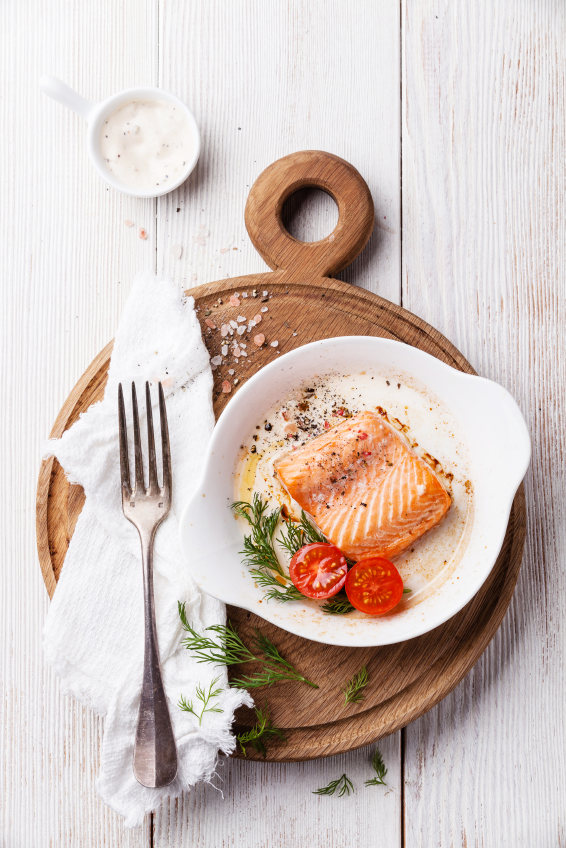
But we know this by now: have the salmon, take the fish oil, eat according to a Mediterranean diet. But there’s another angle on this nutrient that becomes one more reason to include it in your meals. It turns out that these same omega-3 fatty acids are also good for protecting your skin against sun damage.
When people took 10 grams of omega-3 fatty acid fish oil over 3 and 6 months, researchers discovered that the fatty acids were being deposited into the skin of the subjects. Once there, they seemed to protect the skin from sunburn. Researchers then exposed the subjects’ skin to UV-B radiation, to find out just how much would be required to produce a sunburn. Once that amount of radiation was known, they could give one group the omega-3s for a predefined period of time, and then test again to see if the amount changed. This study design showed that, after the omega-3 fatty acids had been incorporated into the skin, the amount of UV-B needed to produce a sun burn more than doubled.
More impressive was the fact that this protective effect was totally time dependent. For example, the longer you took them, the greater the amount deposited into your skin, and (as you would guess) the greater the protection against UV radiation. Another exceptional discovery about this effect is that it lasted 10 weeks before the skin went back to its pre-omega-3 fatty acid levels.
If you thought that this might help prevent skin cancer, there is direct evidence that this may be true. A 3 month study with omega-3 supplements (only 4 grams in this case) showed all the things the other study showed – an increase in the level of omega-3s in the skin, a decrease in UV-induced sun burn. But in this case, researchers also looked for the early markers for DNA-damage that can lead to skin cancer. They found that omega-3 consumption can provide “protection by dietary consumption against acute UVR-induced genotoxicity.”
Other food sources of omega-3 fatty acids for those who are tired of eating salmon all the time:
Colostrum supplements are all the rage but what are they really, what are they good for, and are they safe in the long run?
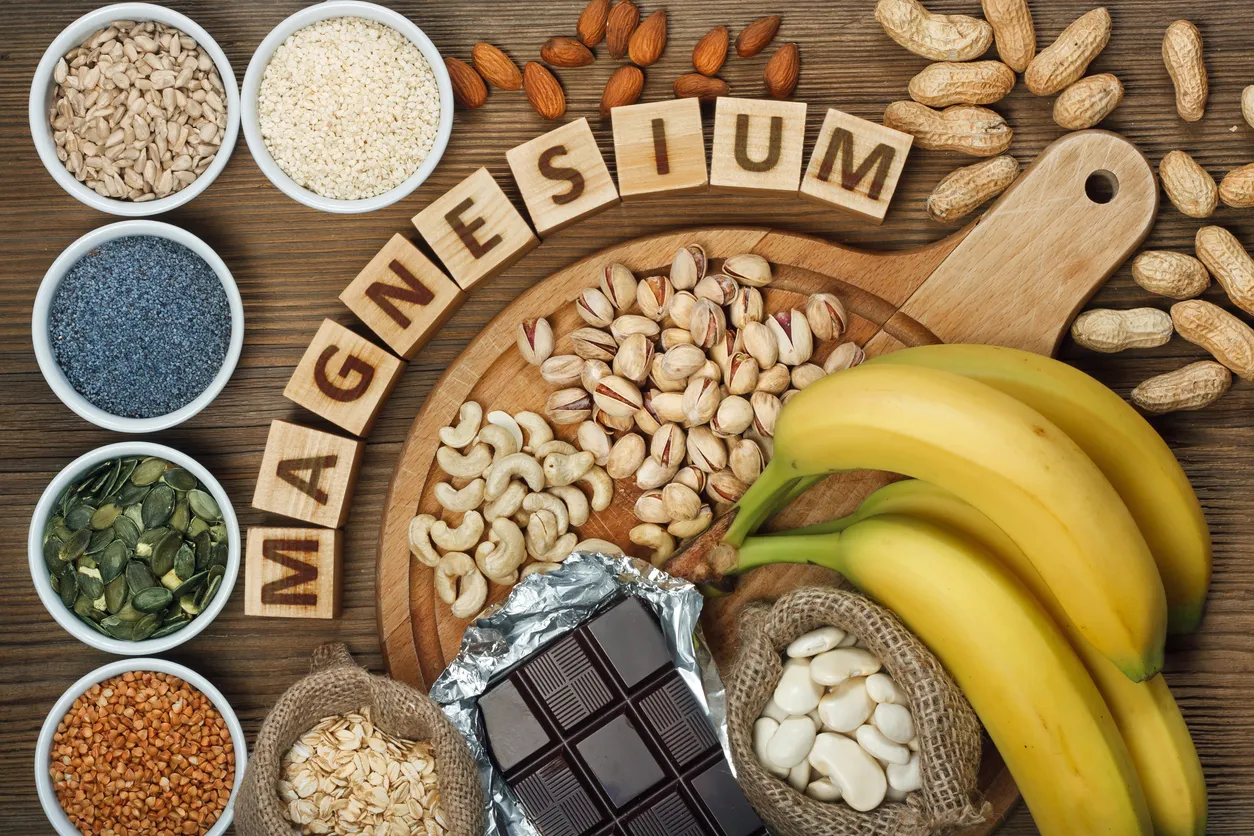
Magnesium has been shown to improve energy levels, improve cognitive focus, and provide better sleep quality.

As health and wellness enthusiasts, we spend a lot of time discussing harmful foods, different diet funnels from keto to paleo to vegan, but we don’t spend enough time discussing foods that will re-energize and remineralize our bodies like sea moss.