Wellness Warriors are driving the Wellness Economy
- Published: Thursday, July 2nd 2026
- in Travel & Play
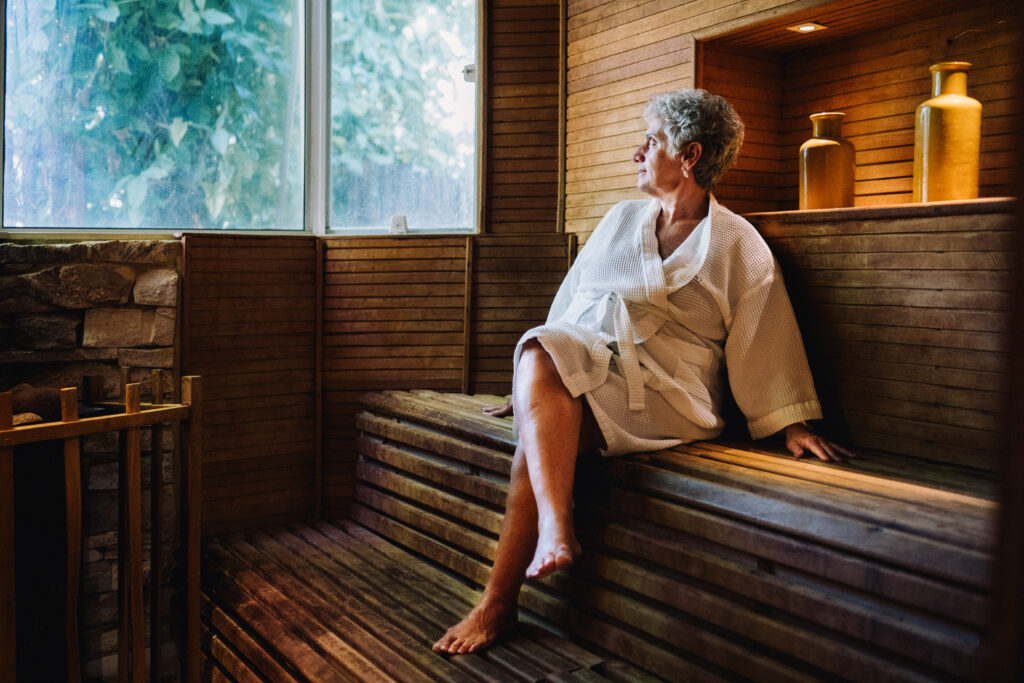
For years, wellness was viewed as an indulgence. It used to be a luxury reserved for vacations, special occasions, or moments of self-care. Today, global wellness warriors have changed that charge. It is baked into every decision from how we eat, to how we move to how we invest in our wellbeing, vacations and more.
The Global Wellness Institute’s 2025 Global Wellness Economy Monitor reports the global wellness economy has reached an unprecedented $6.8 trillion. This makes it one of the world’s largest and fastest-growing industries.
Consumers place greater value on prevention over treatment, experiences over possessions, and overall quality of life. Wellness has become an everyday lifestyle choice. One that influences how people travel, where they spend their discretionary income, and which brands earn their loyalty.
Wellness Travel Leads the Charge
Among the report’s standout findings is the explosive growth of wellness tourism. The sector reached $830 billion in 2024 and is forecast to surpass $1.3 trillion by 2029. This makes it one of the fastest-growing segments of the entire wellness economy.
Today’s travelers aren’t simply looking for a destination. They seek experiences that leave them feeling healthier, more balanced, and more connected than when they arrived. Spa treatments, thermal bathing, mindfulness programs, nutrition-focused dining are meaningful. We’re even looking at sleep experiences, and nature-based escapes to book a trip. Does thread count matter? YES, it does.
Luxury hotels and resorts have responded by expanding wellness offerings far beyond the traditional spa menu. Integrated wellness programming has become a defining differentiator. It attracts guests who increasingly view well-being as an essential part of the travel experience. The wellness warrior seeks experiences, comfort and elevated treatments.
The Spa Industry Continues to Evolve
Consumers who embrace wellness seek longevity and regenerative treatments. Ancient rituals return to mainstream. The way we heal is being revisited.
Modern spa-goers are seeking personalized experiences that support physical recovery, stress reduction, mental wellness, longevity, and holistic health. Water plays a role. Hydrotherapy, cold plunges. Lymphatic drainage to increase circulation and eliminate inflammation continue to surface as leaders.
Consumers equally prioritize experiences that provide emotional restoration. They seek to disconnect from daily demands, reduce stress, and recharge.
Global Wellness Spending Is Becoming More Intentional
Consumers are making conscious decisions to invest in products and experiences that improve long-term health, resilience, and happiness. This shift spans multiple sectors. It includes personal care, healthy eating, physical activity, mental wellness, workplace wellness, and preventive health services.
Many consumers see it as an investment in living better and longer.
A Defining Moment for the Industry
The wellness economy’s rapid expansion signals more than market growth. Consumers continue to prioritize health, balance, and meaningful experiences.
For spas, resorts, and wellness destinations, this means creating experiences that extend beyond relaxation alone. Today’s guests are looking for environments that inspire renewal, foster connection, and support lifelong well-being.
As the Global Wellness Institute’s latest research makes clear, wellness is no longer a niche category or a passing trend. It has become one of the defining economic and cultural movements of our time. It is poised to shape the future of travel, hospitality, and consumer behavior for years to come.

Spafinder