Health
Colostrum, the Latest Must-Have for Optimum Health
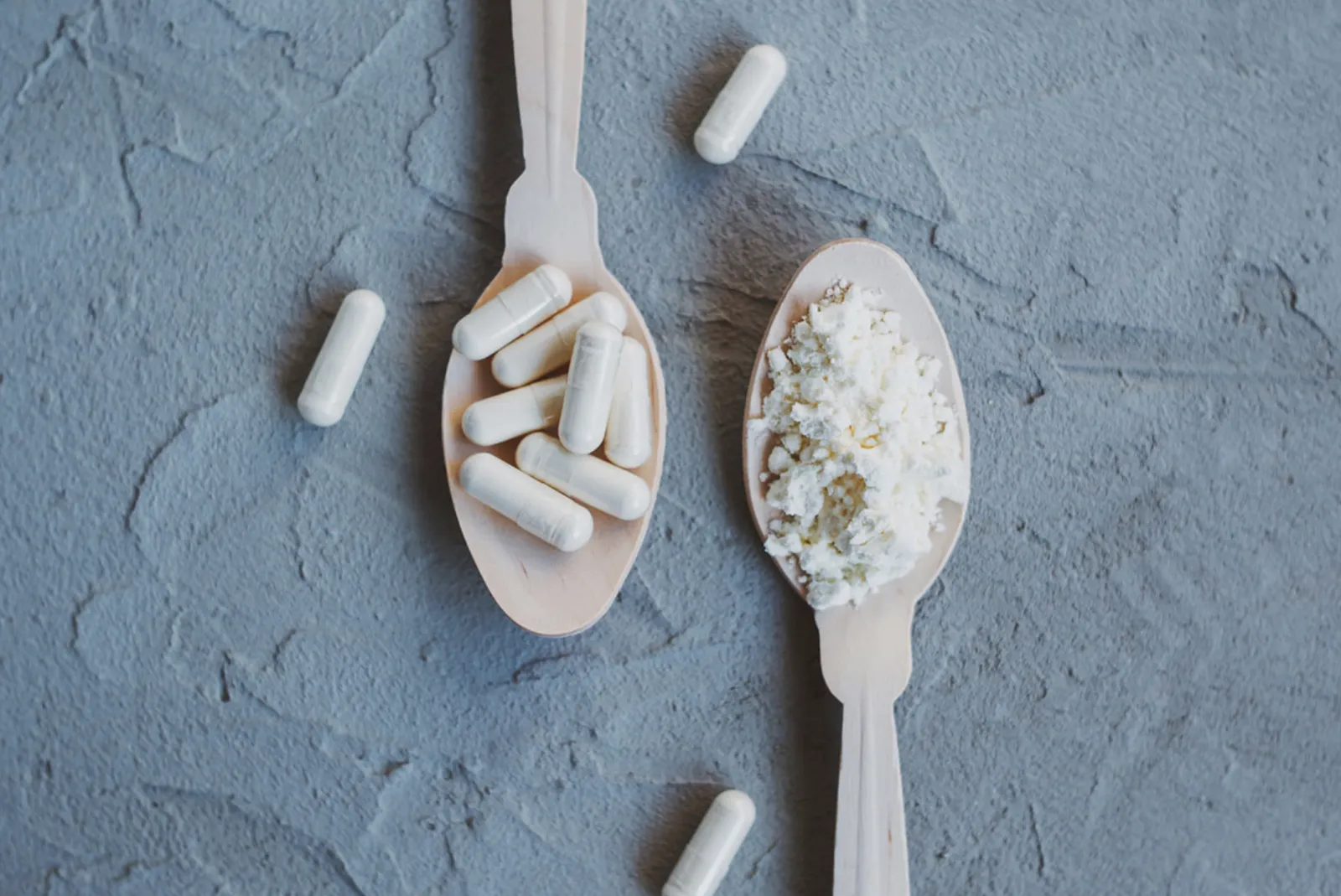
Colostrum supplements are all the rage but what are they really, what are they good for, and are they safe in the long run?
If you’re a vegan (a person who eats no animal foods, including dairy) chances are you’ve been asked (repeatedly) by well-meaning friends and family, “Aren’t you afraid you aren’t getting enough protein?”
By the Registered Dietitians and Physicians of the Pritikin Longevity Center & Spa
 If you’re a vegan (a person who eats no animal foods, including dairy) chances are you’ve been asked (repeatedly) by well-meaning friends and family, “Aren’t you afraid you aren’t getting enough protein?” The good news is that you can get plenty of protein on a vegan diet.
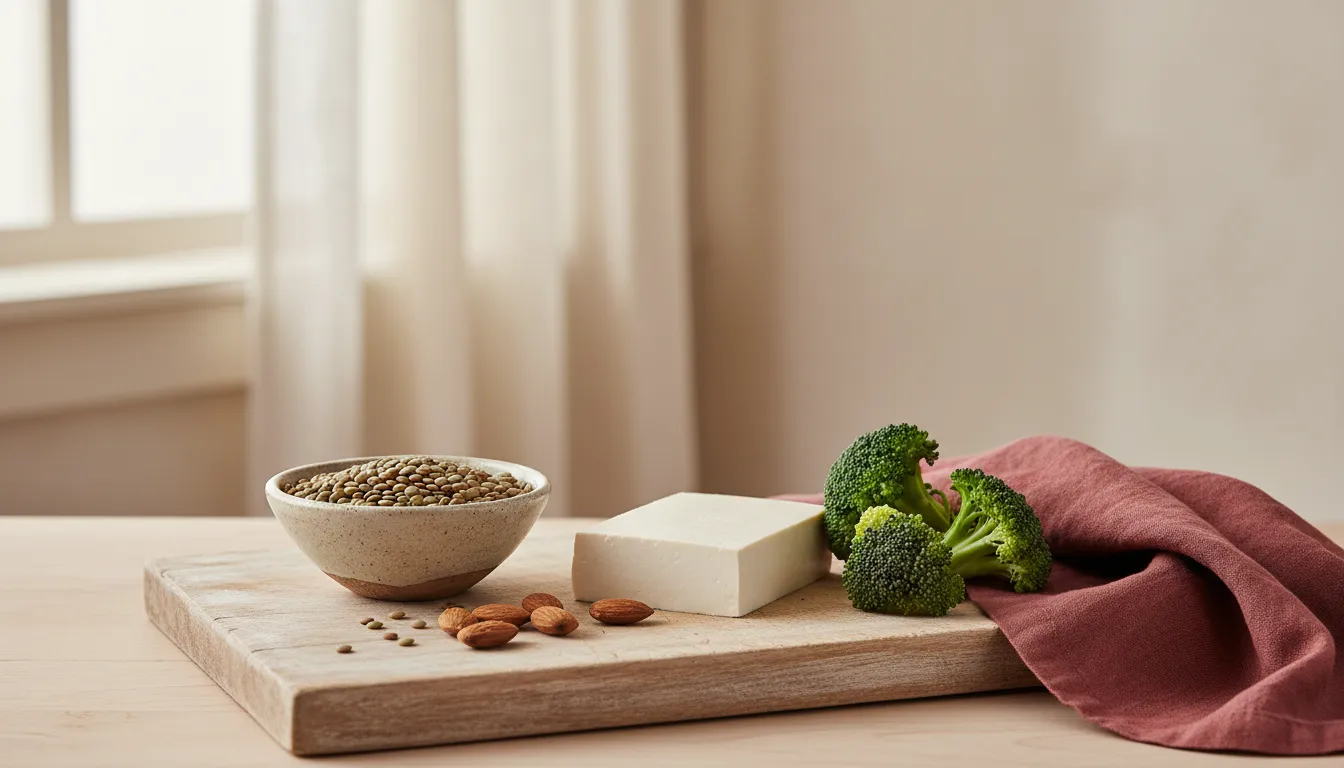
Excellent plant sources of protein are legumes such as beans, peas, and lentils; nuts; and soy products like tofu and edamame. Many whole grains and vegetables, such as spinach and broccoli, are also great sources of protein.
It’s also important to recognize that protein insufficiency is not something that most of us in America need to worry about, whether we’re vegans, vegetarians, or animal eaters. The U.S. government’s recommended daily intake is 0.8 grams for every kilogram of ideal body weight, which means that a 154-pound person (70 kg) needs only about 56 grams of protein a day. Many Americans eat 100 grams or more daily.
Finally, the claim that plant protein is lower in quality than animal protein is meaningless, particularly if you eat, as the Pritikin Eating Plan recommends, a variety of plant foods, such as whole grains, beans, nuts, fruits, and vegetables. In doing so, you’ll be getting plenty of all the essential amino acids.
Colostrum supplements are all the rage but what are they really, what are they good for, and are they safe in the long run?
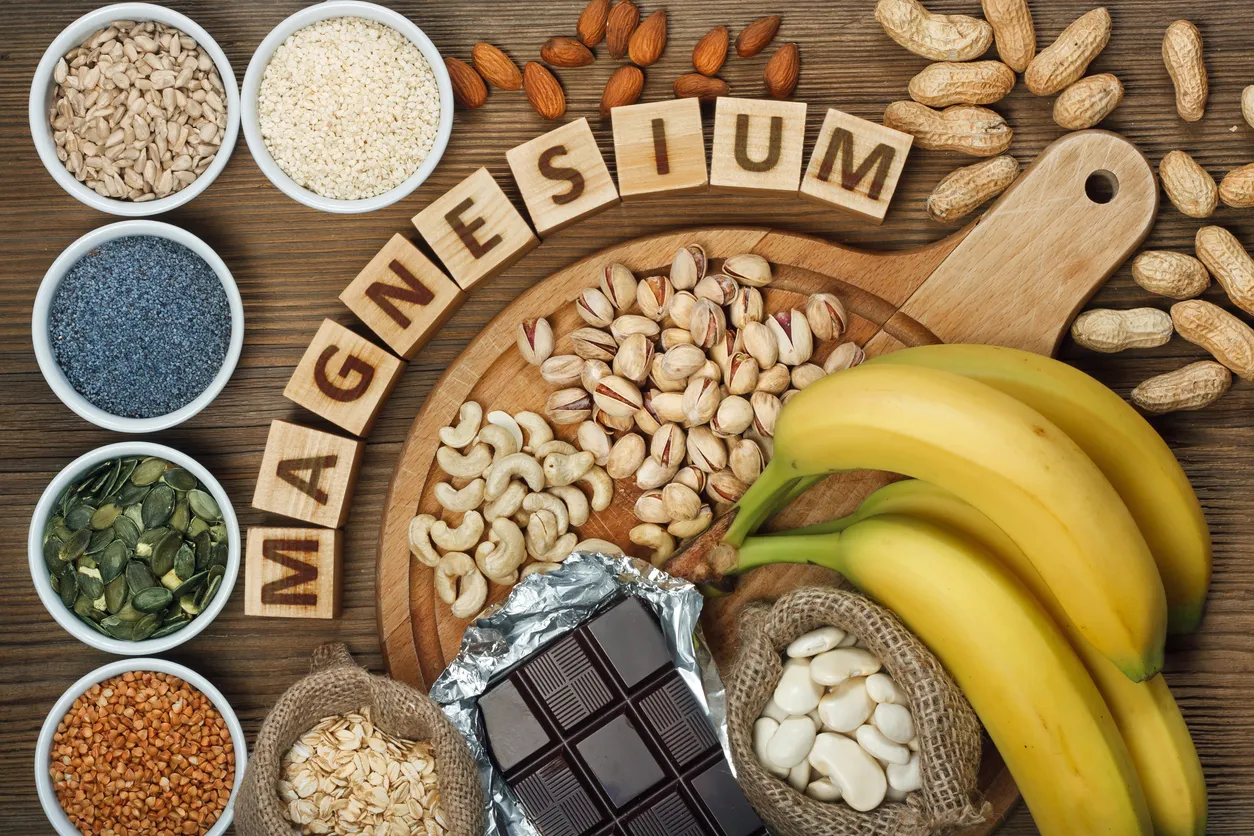
Magnesium has been shown to improve energy levels, improve cognitive focus, and provide better sleep quality.
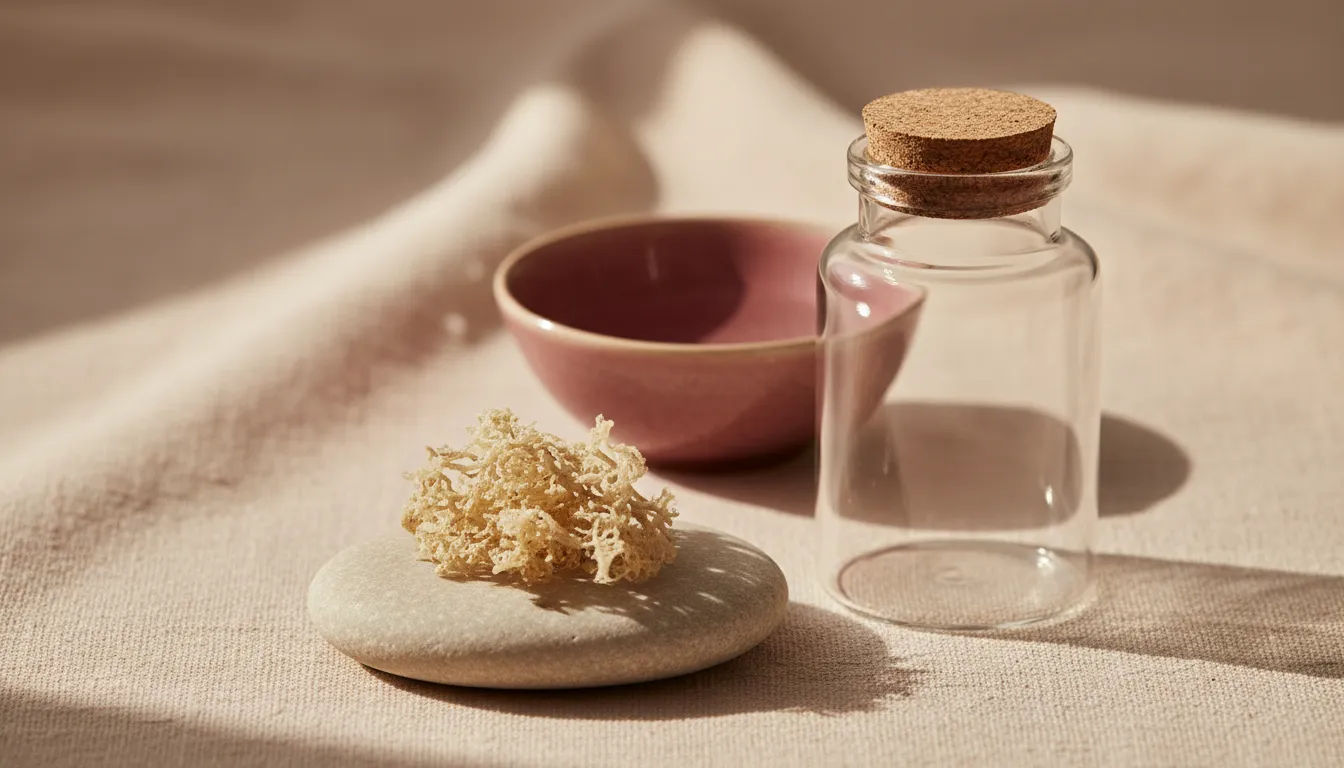
As health and wellness enthusiasts, we spend a lot of time discussing harmful foods, different diet funnels from keto to paleo to vegan, but we don’t spend enough time discussing foods that will re-energize and remineralize our bodies like sea moss.