Lipedema and Lymphatic Massage: How Manual Lymphatic Drainage Can Support Symptom Relief
- Published: Friday, January 9th 2026
- in Wellness
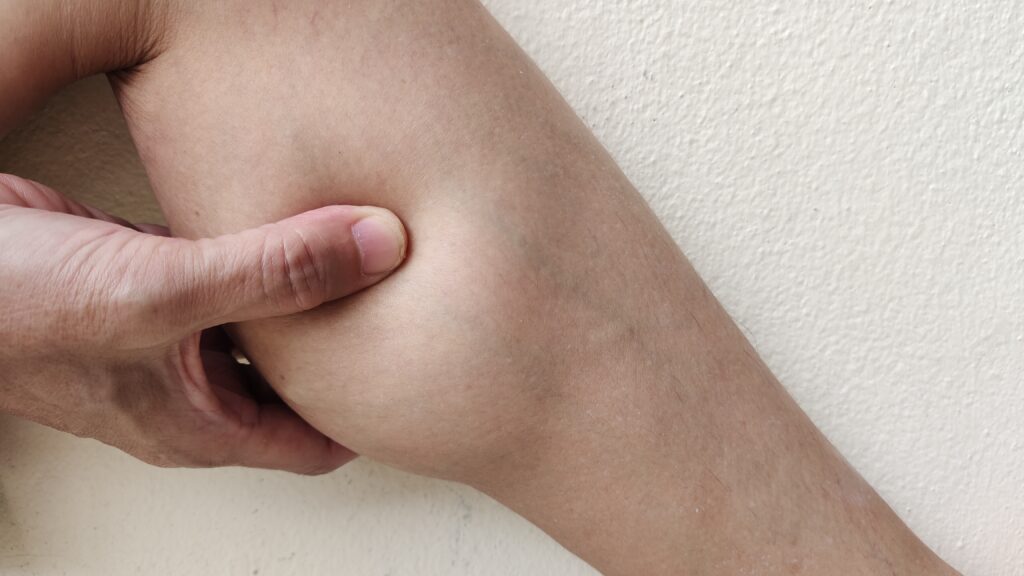
Lipedema is a chronic and often misunderstood condition that affects millions of women worldwide. It’s characterized by the abnormal buildup of fat–most commonly in the legs, hips, buttocks. However, it can also show up in the arms. Lipedema is not caused by lifestyle choices and does not respond to traditional weight loss methods. While there is currently no cure other than corrective surgery, supportive therapies such as lymphatic massage can play an important role in managing symptoms and improving quality of life.
What Is Lipedema?
Lipedema is a progressive connective tissue disorder that typically appears or worsens during times of hormonal change, such as puberty, pregnancy, or menopause. It is marked by symmetrical fat accumulation in the lower body, often sparing the hands and feet. Common symptoms include:
- Pain or tenderness in affected areas
- Easy bruising
- Swelling that worsens throughout the day
- A feeling of heaviness or pressure in the legs
- Reduced mobility as the condition progresses
Because lipedema is frequently misdiagnosed as obesity or lymphedema, many people go years without proper support or validation. Leaving women feeling more frustrated and vulnerable to the often predatory diet industry as they search for answers.
The Connection Between Lipedema and the Lymphatic System
While lipedema is distinct from lymphedema, the two conditions are closely linked. Over time, excess fatty tissue can impair lymphatic flow, leading to fluid retention and inflammation. This can result in lipo-lymphedema, a more advanced stage where lymphatic dysfunction becomes more pronounced.
Supporting the lymphatic system is therefore a key component of non-surgical lipedema management–and this is where lymphatic massage can help.
What Is Lymphatic Massage?
Lymphatic massage, also known as Manual Lymphatic Drainage (MLD), is a gentle, rhythmic technique designed to stimulate the flow of lymph fluid throughout the body. Unlike deep tissue massage, MLD uses light pressure and precise movements to encourage drainage and reduce congestion in the lymphatic system.
This therapy is commonly used to support people with swelling, inflammation, post-surgical recovery, and chronic conditions involving lymphatic impairment.
Benefits of Lymphatic Massage for Lipedema
While lymphatic massage does not remove lipedema fat, it can offer meaningful symptom relief and support overall well-being. Potential benefits include:
1. Reduced Swelling and Fluid Retention
By improving lymph flow, MLD can help decrease daily swelling and the uncomfortable “heavy” sensation often reported by those with lipedema.
2. Pain and Discomfort Relief
Many people with lipedema experience tenderness or aching in affected areas. Gentle lymphatic massage may help reduce inflammation and ease discomfort.
3. Improved Mobility
Less swelling and stiffness can lead to improved range of motion and greater ease with daily activities.
4. Support for Circulation and Tissue Health
Better lymphatic circulation may help improve skin texture and reduce the progression of secondary lymphedema.
5. Emotional and Mental Well-Being
Living with a chronic condition can be emotionally taxing. The calming nature of lymphatic massage can also reduce stress and support nervous system regulation.
How Often Should Lymphatic Massage Be Done?
Frequency varies depending on symptom severity and individual needs. Some people benefit from weekly sessions, while others may schedule treatments biweekly or monthly as part of a long-term self-care plan. A certified lymphatic therapist–especially one experienced with lipedema–is essential for safe and effective treatment.
Many individuals also learn self-massage techniques to support lymphatic flow between professional sessions. For a few simple tips, follow this video:
Lymphatic Massage as Part of a Holistic Lipedema Care Plan
Experts emphasize that lipedema management works best when approached holistically. Lymphatic massage is often combined with:
- Compression garments
- Low-impact movement such as swimming or walking
- Anti-inflammatory nutrition
- Stress management and adequate rest
- Medical guidance from a lipedema-aware healthcare provider
Together, these strategies can help slow progression and improve daily comfort.
Finding a Qualified Lymphatic Massage Therapist
When seeking lymphatic massage for lipedema, look for practitioners trained in Manual Lymphatic Drainage or Complete Decongestive Therapy (CDT). Many spas and wellness centres now offer lymphatic treatments, making it easier to incorporate this supportive therapy into a regular self-care routine.
The Takeaway
Lipedema is a real, chronic condition–and those living with it deserve informed, compassionate care. While lymphatic massage is not a cure, it can be a powerful tool for symptom management, helping to reduce swelling, ease pain, and support overall quality of life. For many, it becomes an essential part of a sustainable, wellness-focused approach to living well with lipedema.

Spafinder