Reflexology
Restore balance and promote relaxation through targeted pressure on the feet, hands, and ears.
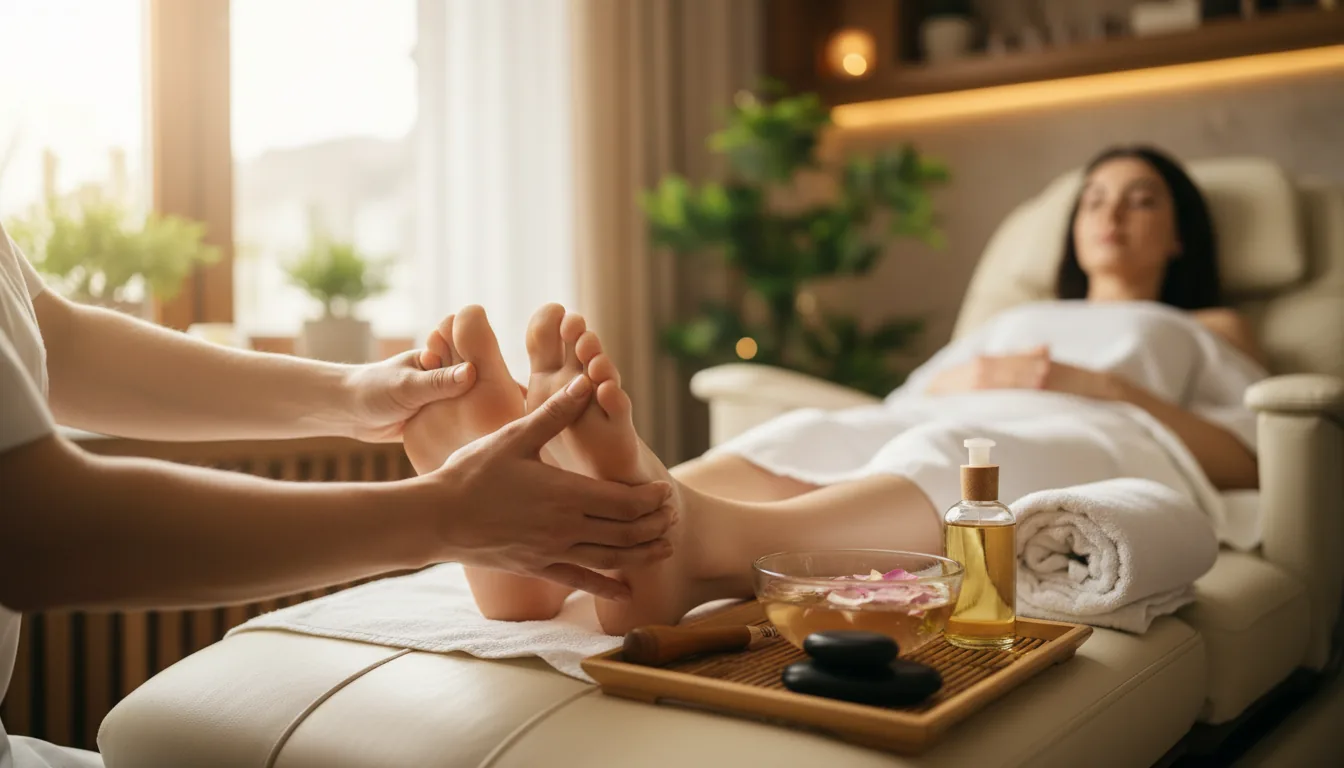
Reflexology is a specialized wellness practice that involves applying pressure to specific points on the feet, hands, and ears. Based on the principle that these points correspond to different organs and systems, this therapy aims to relieve tension and support overall well-being.
Understanding Reflexology
Reflexology is more than a standard foot massage. It is a focused practice based on zone theory, which maps out the entire body onto the feet, hands, and ears. By stimulating these specific reflex points, practitioners aim to clear energy pathways and support the function of corresponding organs and systems.
While most sessions focus primarily on the feet, a reflexologist may also work on your hands or ears to trigger relaxation. This practice is rooted in the belief that targeted pressure can help the body maintain its natural balance and alleviate discomfort in other areas.
- Uses a reflexology chart to map body systems to the feet
- Focuses on pressure points rather than muscle tissue
- May include work on the hands and ears
- Aims to improve energy flow and reduce tension
What to Expect During Your Session
During a reflexology session, you typically remain fully clothed, though you will need to remove your shoes and socks. You will be seated in a comfortable chair or lying down on a massage table. The therapist uses various techniques, including kneading the fleshy ball of the foot, pulling on the toes, tracing around the heel, and applying deep pressure into the arch.
You may experience a range of sensations during the treatment, such as warmth, coolness, or tingling. Some spots may feel more sensitive than others, which practitioners often suggest indicates a block in a specific energy pathway. The intensity can vary, but the overall goal is to create a deeply relaxing experience.
- Small, intense movements like kneading and squeezing
- Targeted pressure on the arch and heel
- A quiet, calm environment to promote rest
- Potential for varied physical sensations throughout the body
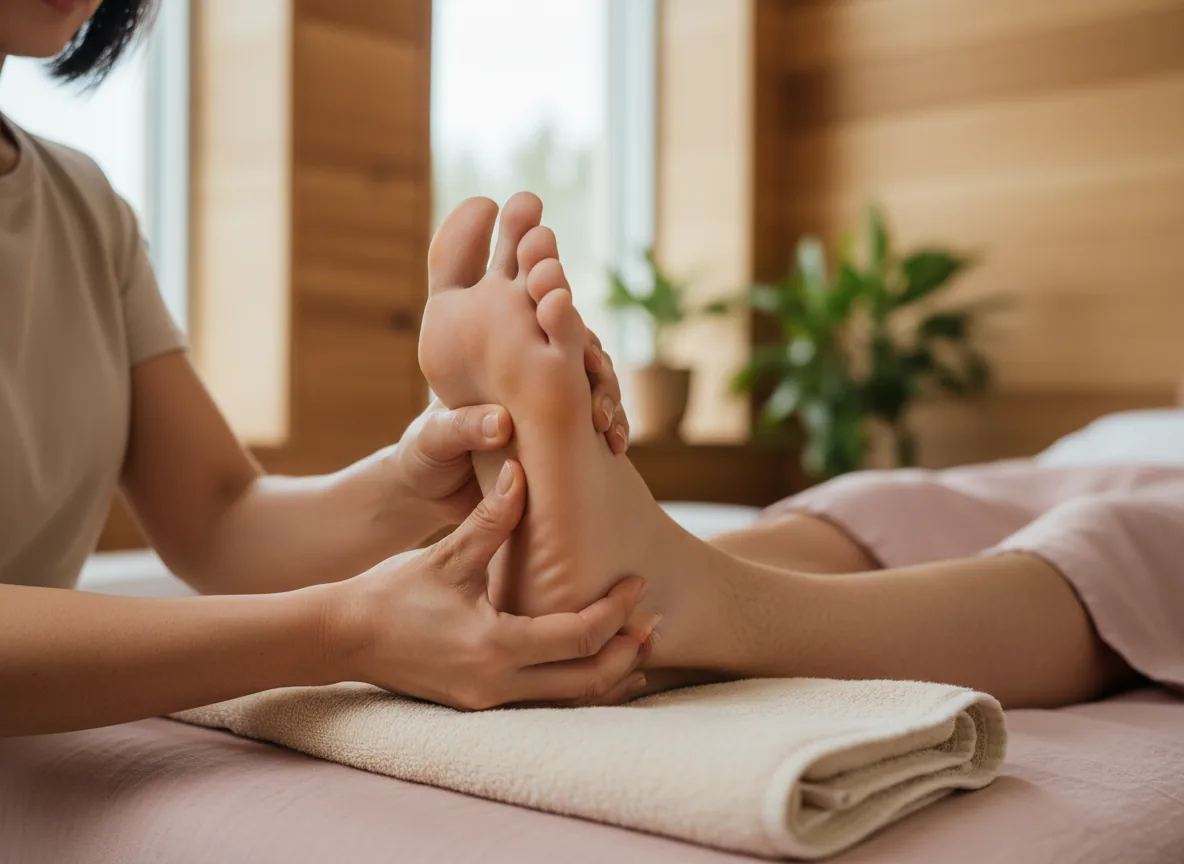
Who Should Try Reflexology
Reflexology is suitable for most people looking for a non-invasive way to relax. It is particularly popular for those who spend a lot of time on their feet or those who prefer to remain clothed during their wellness treatments. Therapists may concentrate on specific areas to address certain needs, such as focusing on the toes for sinus-related concerns.
Because this is a specialized wellness service, it should be performed by a licensed provider. If you have specific health conditions, such as foot injuries, blood clots, or if you are pregnant, you should consult with your doctor before booking a session. Reflexology is a complementary therapy and is not a substitute for medical treatment.
Tips for Your Visit
To get the most out of your reflexology appointment, wear loose-fitting pants that can easily be pushed up to the knee. This allows the therapist to work on your ankles and lower calves if necessary. It is also helpful to stay hydrated before and after your session to help your body process the relaxation effects.
You can find reflexology services at thousands of locations nationwide. Using a Spafinder gift card allows you to explore different studios and spas near you to find the practitioner that best fits your needs.
- Arrive with clean feet and comfortable clothing
- Communicate your pressure preferences with your therapist
- Allow time for rest immediately following your treatment
- Check for licensed practitioners in your area
Reflexology questions
Is reflexology the same as a foot massage?
While both involve touch, they are different practices. A foot massage focuses on relaxing muscles and improving circulation through general rubbing, whereas reflexology uses specific pressure point techniques to affect other parts of the body based on a reflexology map.
Does reflexology hurt?
The experience should generally be relaxing, though you may feel some sensitivity in certain areas. This sensitivity is typically brief and is often interpreted by practitioners as a sign of tension in a corresponding body zone. You should always tell your therapist if the pressure feels too intense.
Can I stay fully clothed during the treatment?
Yes, reflexology is a fully clothed modality. You will only need to remove your footwear and socks. It is recommended to wear comfortable clothing so you can fully relax during the session.
How long does a typical reflexology session last?
Sessions typically range from 30 to 60 minutes. Shorter sessions may focus exclusively on the feet, while longer appointments might include work on the hands and ears for a more comprehensive experience.
Where can I find a reflexology practitioner?
Reflexology is offered at many day spas, wellness centers, and specialized studios. You can use the Spafinder search tool to locate providers in your area, and Spafinder gift cards are accepted at thousands of participating locations for this and other wellness services.
Treat someone to Reflexology
A Spafinder gift card is accepted at thousands of spas, salons and studios. They choose the place and the time; you give the moment.
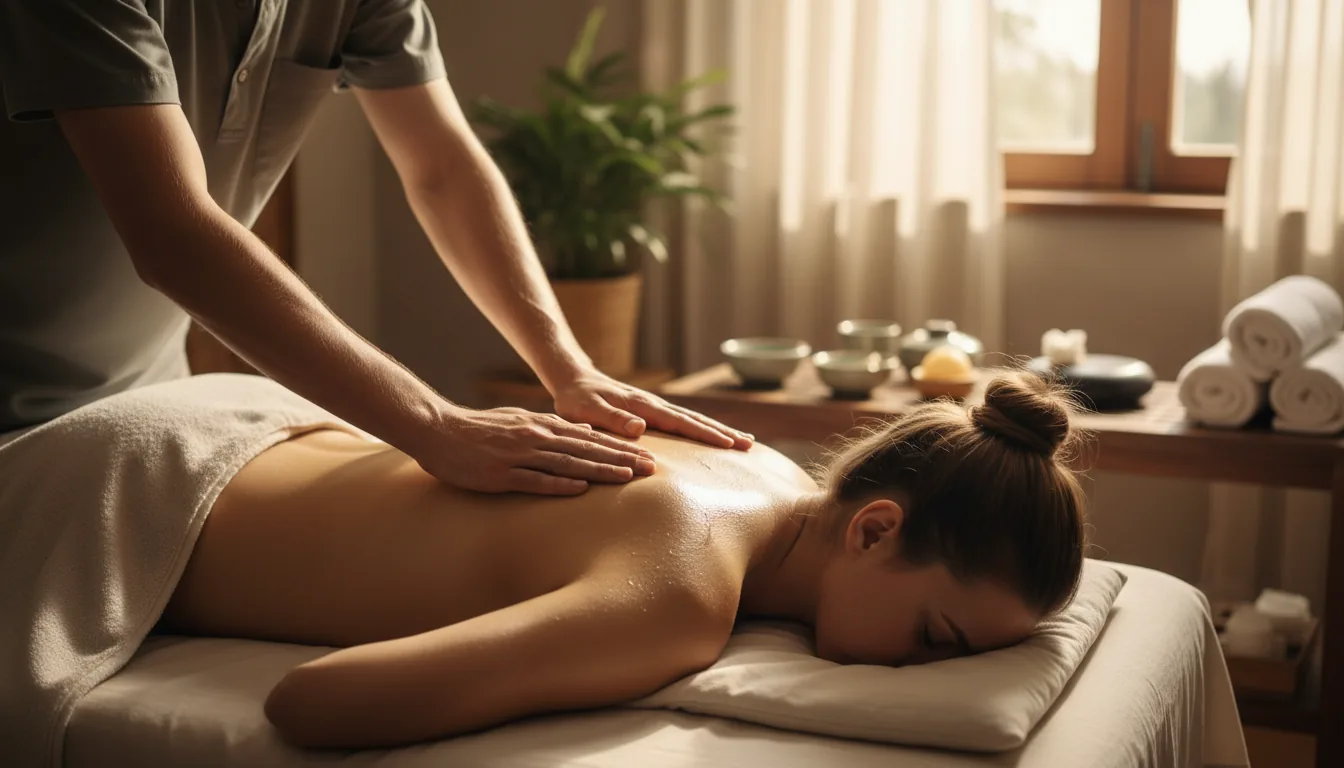
Swedish Massage
A classic relaxation treatment using rhythmic strokes to soothe muscles and calm the mind.
Explore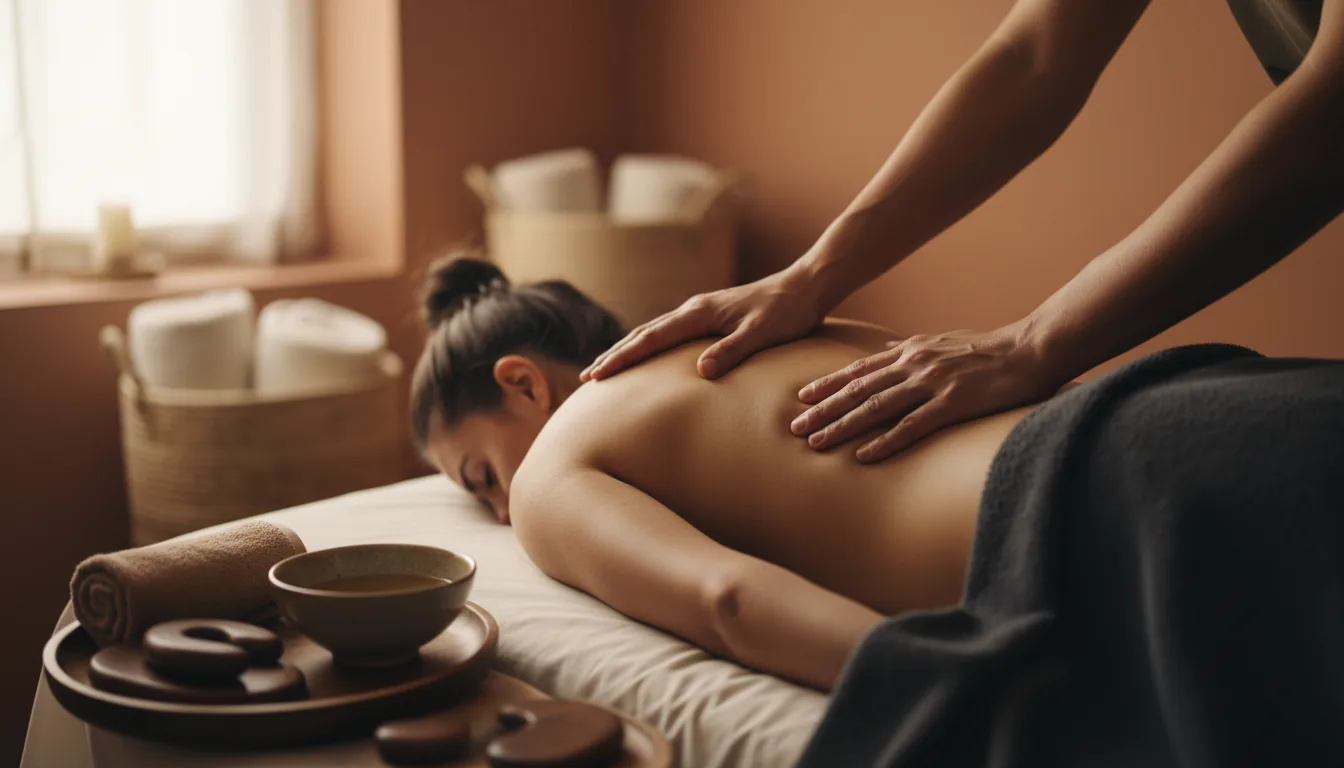
Deep Tissue Massage
Release chronic muscle tension and stubborn knots with focused, therapeutic pressure.
Explore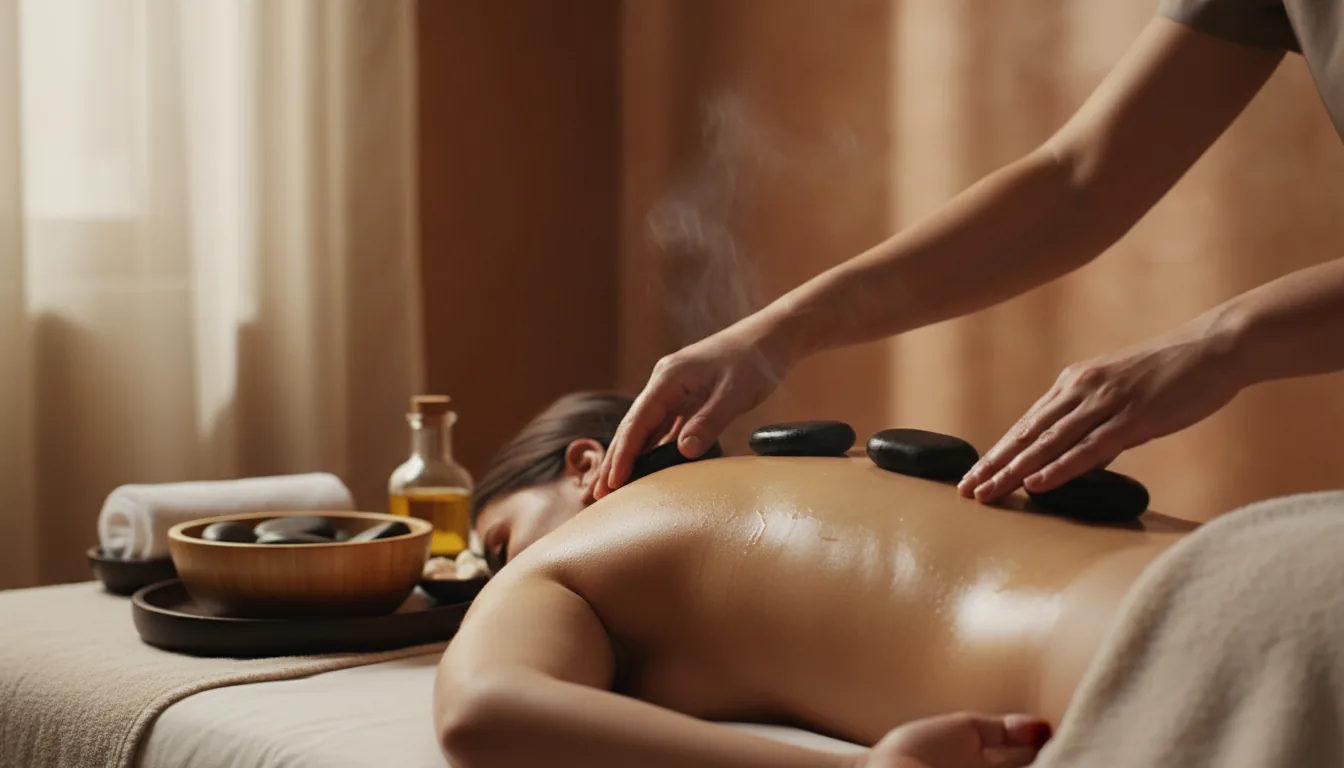
Hot Stone Massage
A soothing body treatment using heated basalt stones to melt away tension and promote deep relaxation.
Explore