Spa
Which Massage is best for me?
Like many people, you’re probably aware of the many benefits of massage and might even have tried one. But do you know your swedish from your deep tissue or sports and when to choose one style over another?
For thousands of years, Eastern healers have used pressure-point massage to balance the body; shiatsu is the Japanese version. The idea is that chi, or life energy, flows through the body in 14 meridians. When the meridians are blocked, physical or emotional problems result. Read more about Shiatsu massage.
Like many people, you’re probably aware of the many benefits of massage and might even have tried one. But do you know your swedish from your deep tissue or sports and when to choose one style over another?
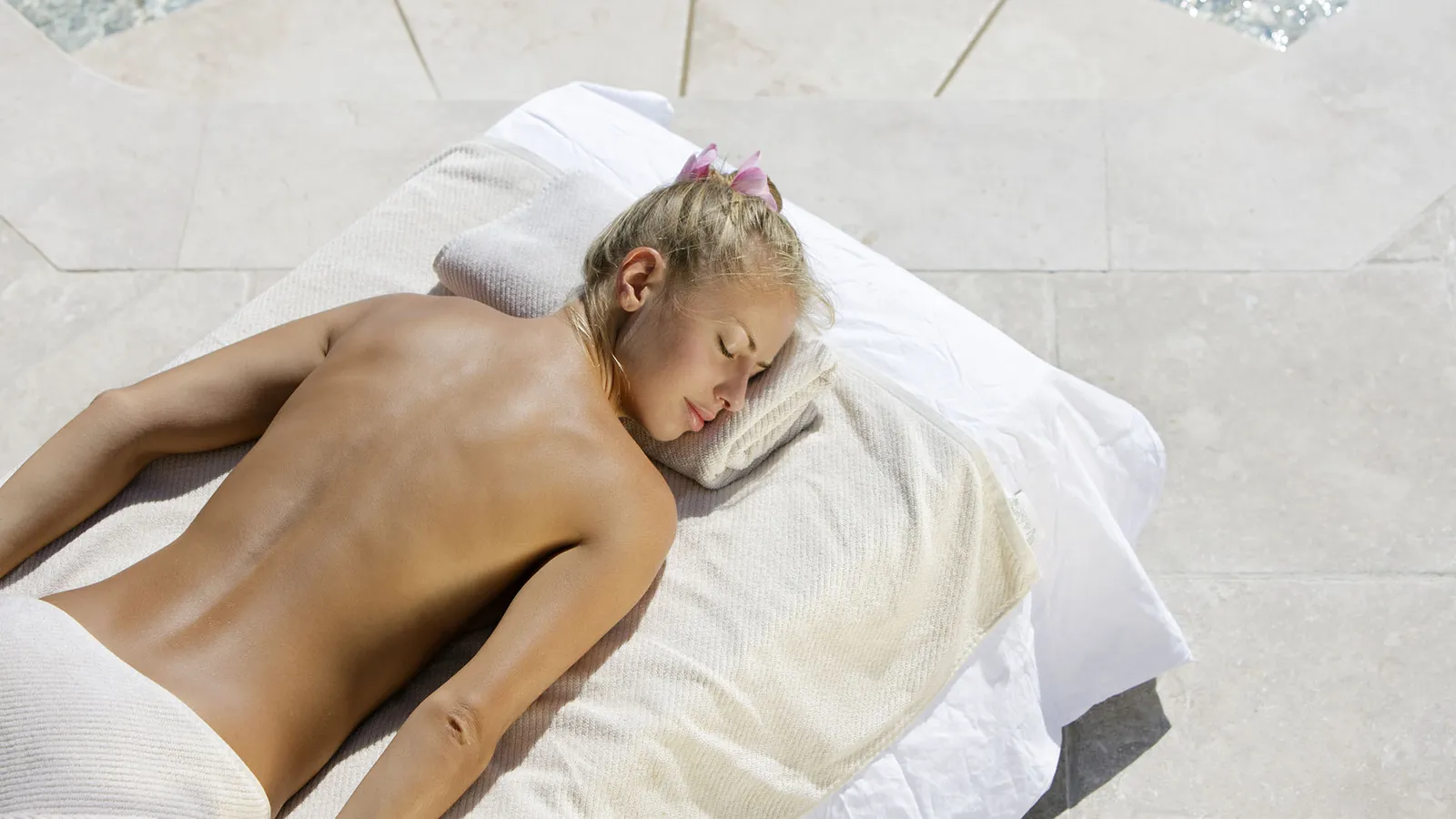
Like many people these days, you’re probably heard of Swedish massage. It is after all the Queen of Massage if there is one. You may also be aware of the many benefits of massage- the stress reduction, immediate benefits to your immune system and of course the relaxation zone post benefits.
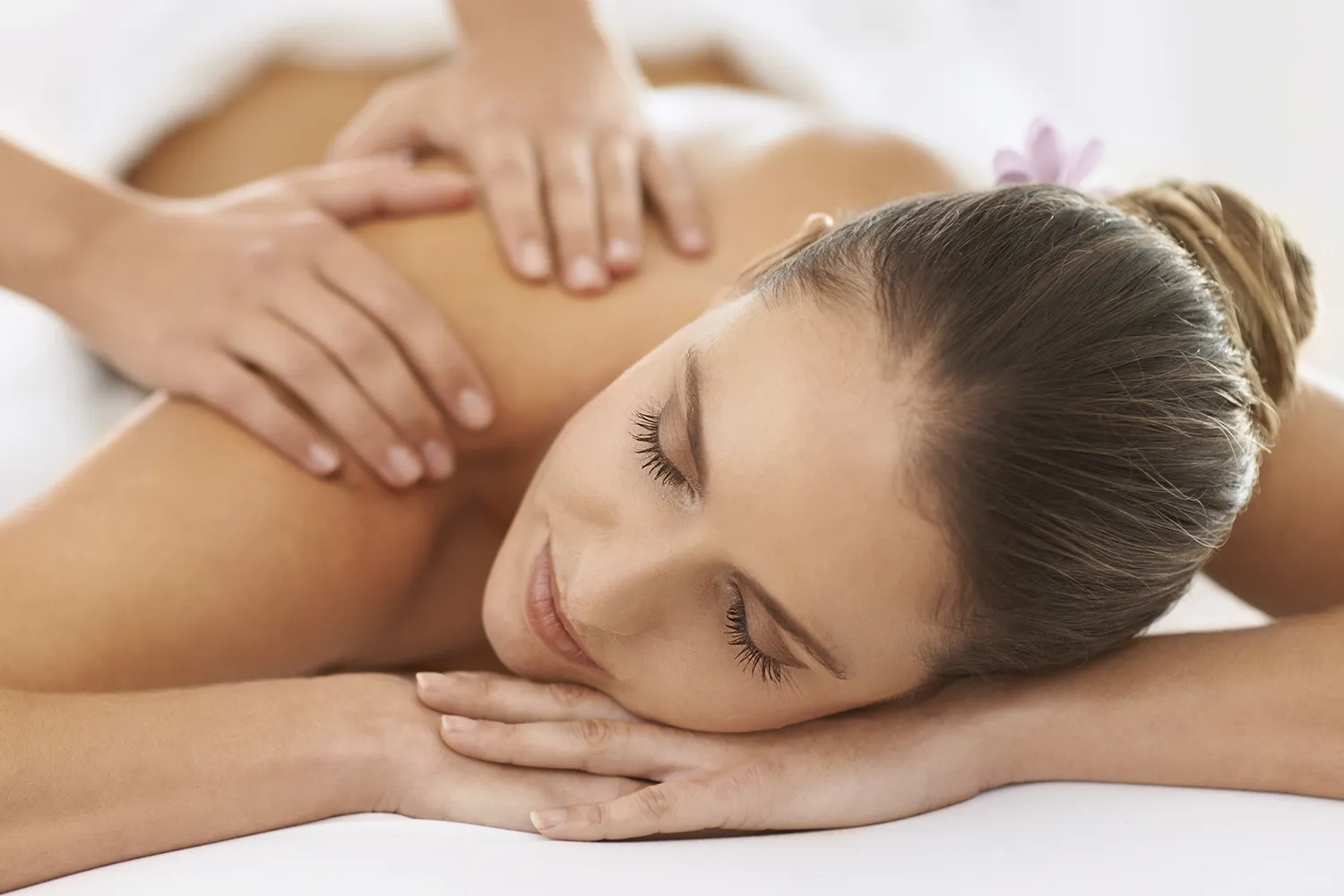
For thousands of years, Eastern healers have used pressure-point massage to balance the body; shiatsu is the Japanese version.
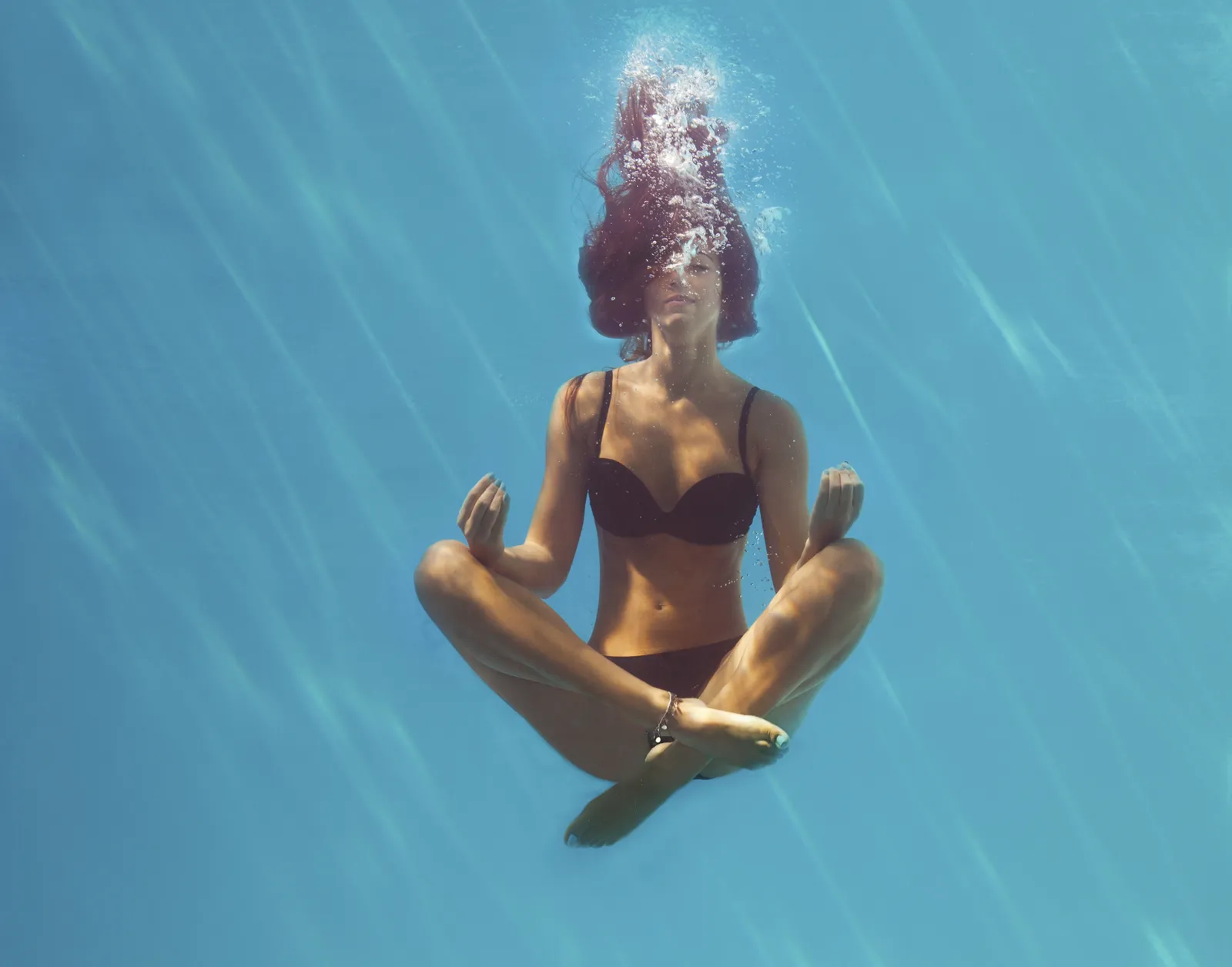
Water is the source of life, and it turns out, the healing and restorative powers it possesses are also what birthed the concept of “spa”.
Our take on the watsu technique? Hands down, this is one relaxing treatment.
Massage can do more than just work out the kinks
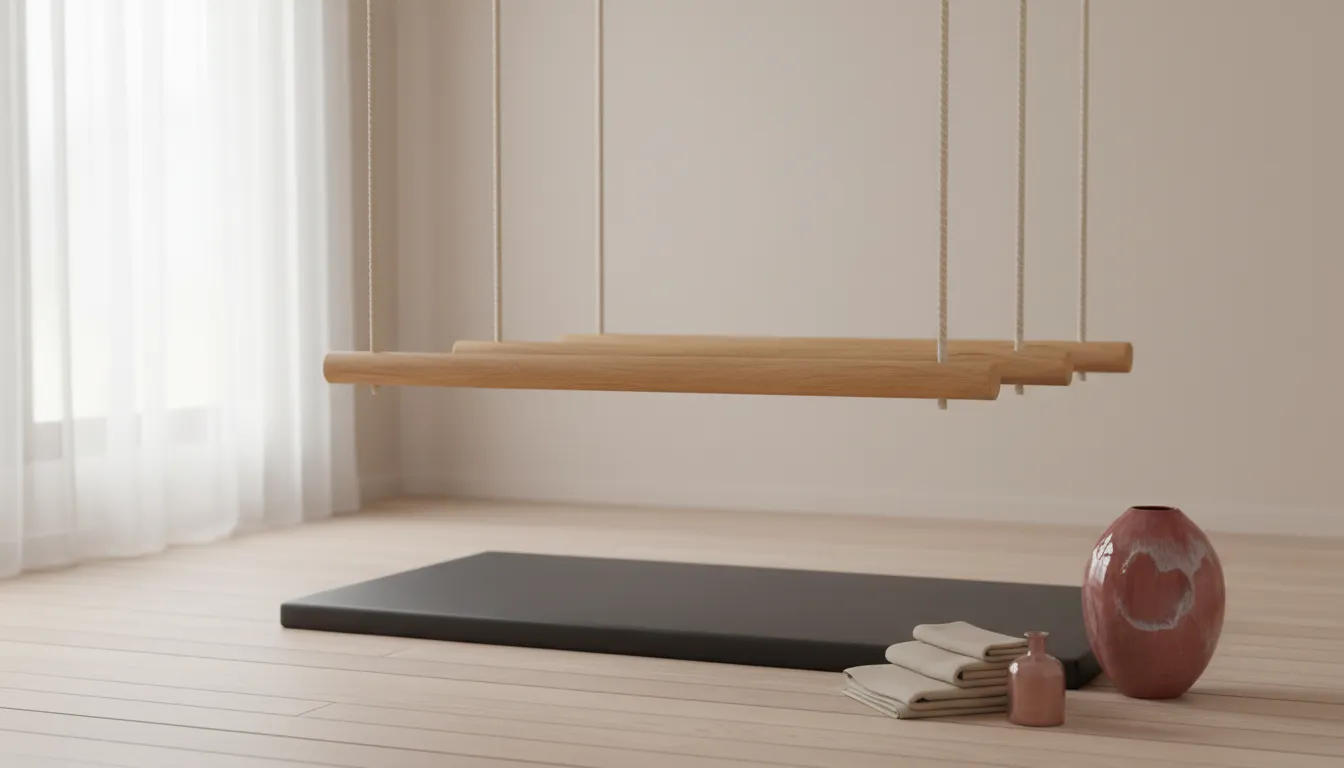
Ashiatsu, a close cousin to shiatsu, is an ancient East Asian massage technique where the massage therapist utilizes her hands and feet to manipulate pressure points on? the body. Although ashiatsu is not found on most spa menus in the U.S., it has been performed by Buddhist monks for thousands of years. In Japanese, the word translates as “foot” (ashi) “pressure” (atsu). Different styles of barefoot massage have origins in China, India, Japan, the Philippines, and Thailand. Often a balancing prop is utilized such as ceiling bars; other times it is performed on a floor mat.
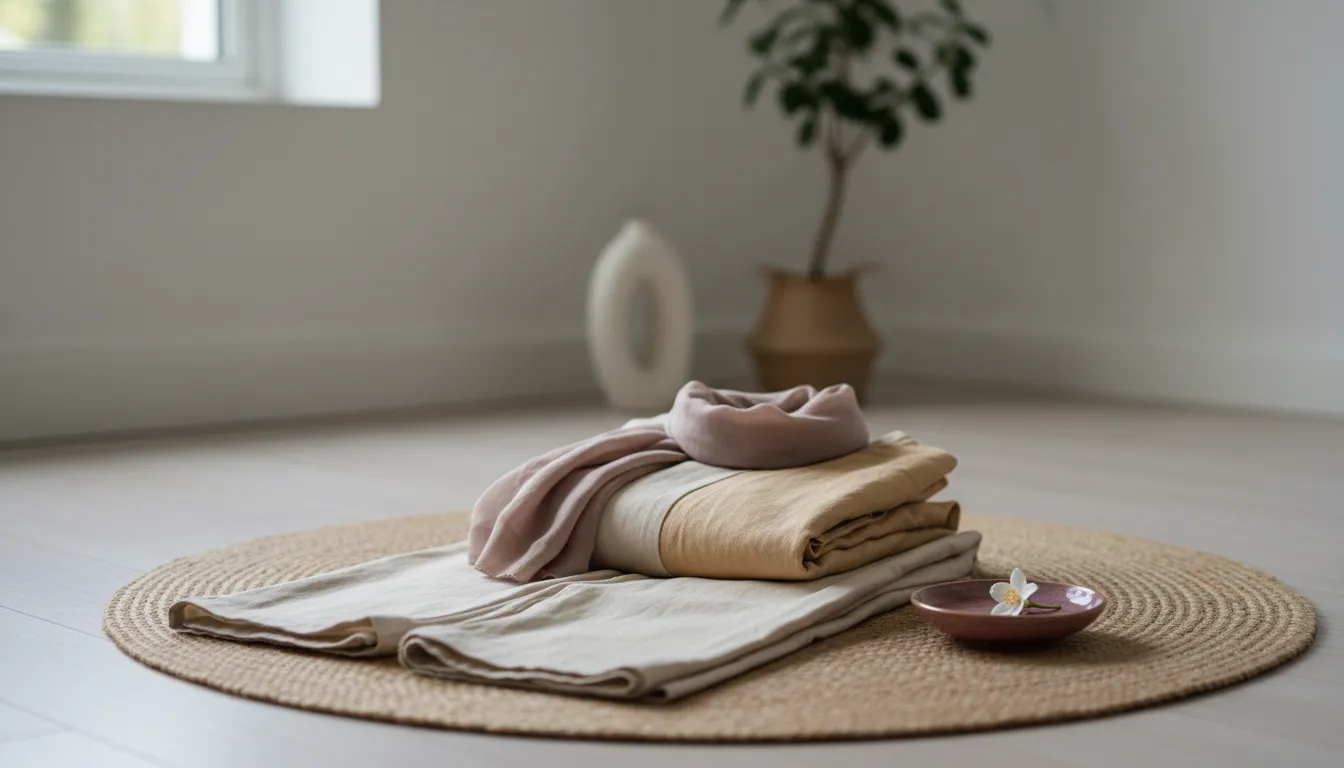
The name of this massage comes from the Japanese word Shi (“finger”) and refers to the fact that it relies on slow, steady pressure rather than flowing strokes. Besides the fingers, the therapist may use her palms, elbows, knees and feet. At many spas, shiatsu is done on a floor mat and you wear loose clothes. No oil is used. If you do undress, the therapist usually keeps a sheet between her hands and your body the entire time. Classical Japanese shiatsu actually has more in common with Western massage than traditional Oriental medicine as it works primarily on the muscles and connective tissues, not chi (energy) and meridians (energy pathways).