Meditation
Cultivate mindfulness and mental clarity through guided or self-directed quiet practice.
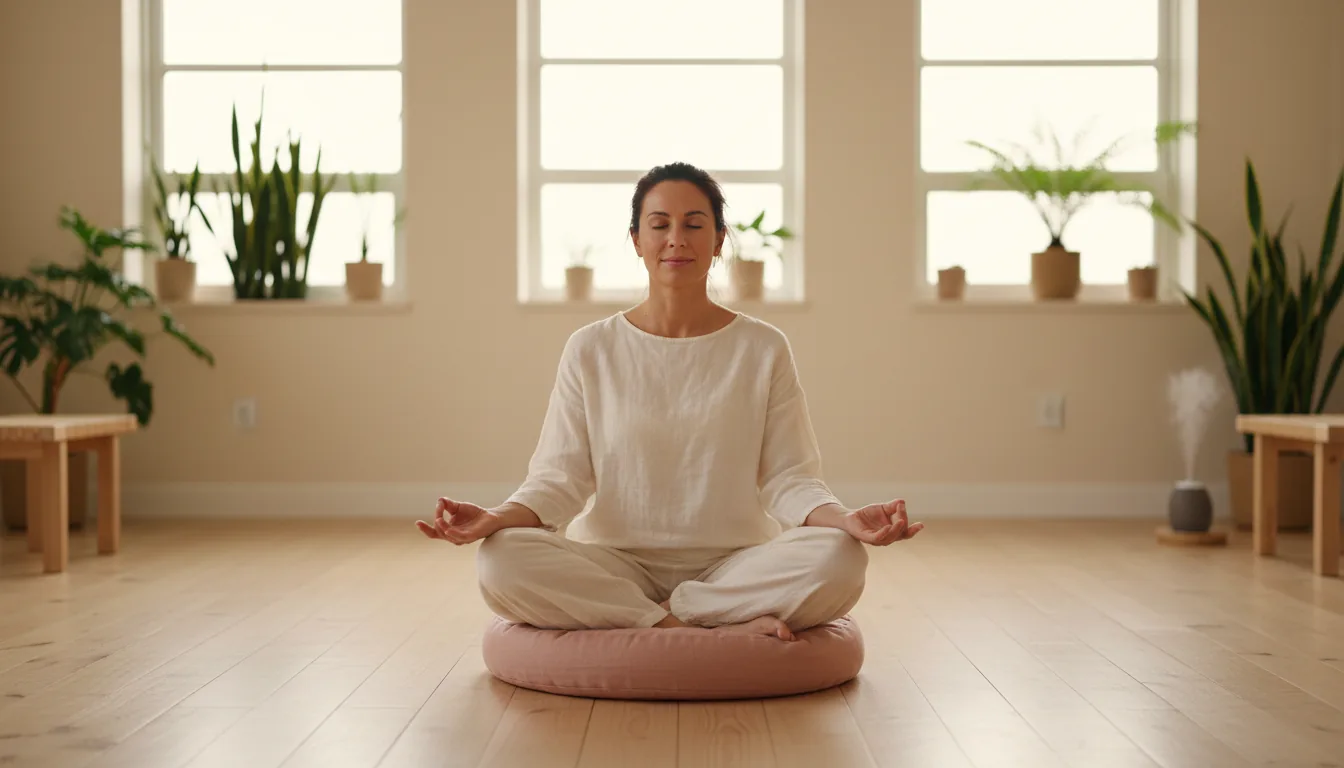
Meditation is a dedicated practice for focusing your mind and achieving a state of mental clarity and emotional calm. By stepping away from daily distractions, you can foster a sense of inner peace and improve your overall well-being in a tranquil environment.
Understanding Meditation
Meditation is the practice of training your attention and awareness to achieve a mentally clear and emotionally stable state. It provides a necessary pause from the digital world, allowing you to focus on the present moment rather than worrying about the past or future.
Many people use meditation as a tool for mindfulness, helping them manage the stresses of daily life. Whether practiced in a dedicated studio or a quiet corner of a spa, the goal is to create a space free from phones, television, and other modern distractions.
What to Expect During Your Session
When you visit a studio or spa for meditation, you will typically be guided to a quiet, tranquil room. The environment often includes soothing elements such as soft music or diffused aromas to help you unwind and establish a positive mindset.
You will be provided with comfortable sitting or lying arrangements, which may include meditation benches, mats, or cozy floor pillows. A session often begins with deep breathing exercises to still the mind and may be led by a guide who provides verbal cues to help you stay focused.
- Use of props like blankets or shawls for warmth and comfort
- Guided instructions to help navigate your thoughts
- A focus on rhythmic breathing to settle the nervous system
- Optional use of earplugs for those who prefer total silence

Who Should Try Meditation
Meditation is suitable for almost everyone, from busy professionals seeking stress relief to individuals looking to deepen their wellness routine. It is particularly helpful if you feel overwhelmed by digital media and need a tangible, analog experience to ground yourself.
If you have specific health conditions, it is always wise to consult with your doctor before beginning a new wellness practice. For most, meditation serves as a gentle way to improve focus and emotional resilience without the need for intense physical exertion.
Tips for a Successful Visit
To get the most out of your session, arrive a few minutes early to settle into the space. Some practitioners find that doing a few gentle yoga postures before beginning helps to move energy and prepare the body for stillness.
If you are meditating outdoors, choose a shaded area to avoid overexposure to the sun. Focus on your breath whenever your mind begins to wander, as this is a natural part of the process and nothing to be discouraged by.
- Wear layers so you can adjust to the room temperature
- Turn off all electronic devices before entering the meditation space
- Communicate with your instructor about any physical discomfort
- Practice deep, consistent breathing to maintain focus
Meditation questions
What is the difference between guided and unguided meditation?
Guided meditation involves an instructor or a recorded voice leading you through the process with specific prompts and visualizations. Unguided meditation is performed in silence, where you rely on your own techniques to maintain focus and clarity.
Do I need to be flexible to meditate?
No, flexibility is not a requirement for meditation. While some people choose to sit in traditional cross-legged positions, you can also use benches, chairs, or lie down on a mat to ensure your body is fully supported and comfortable.
How often should I meditate to see results?
Consistency is generally more important than the duration of a single session. Many people find that meditating for ten to twenty minutes daily helps them maintain a sense of calm, though even occasional visits to a professional studio can provide significant relaxation.
What should I do if I cannot stop my thoughts?
It is normal for the mind to wander during meditation. Instead of trying to stop your thoughts, simply acknowledge them without judgment and gently return your focus to your breathing or the guide's voice.
How can I find a meditation studio near me?
You can use the Spafinder search tool to locate wellness centers, spas, and studios that offer meditation classes in your area. Spafinder gift cards are accepted at thousands of locations, making it easy to book a session that fits your schedule.
Treat someone to Meditation
A Spafinder gift card is accepted at thousands of spas, salons and studios. They choose the place and the time; you give the moment.
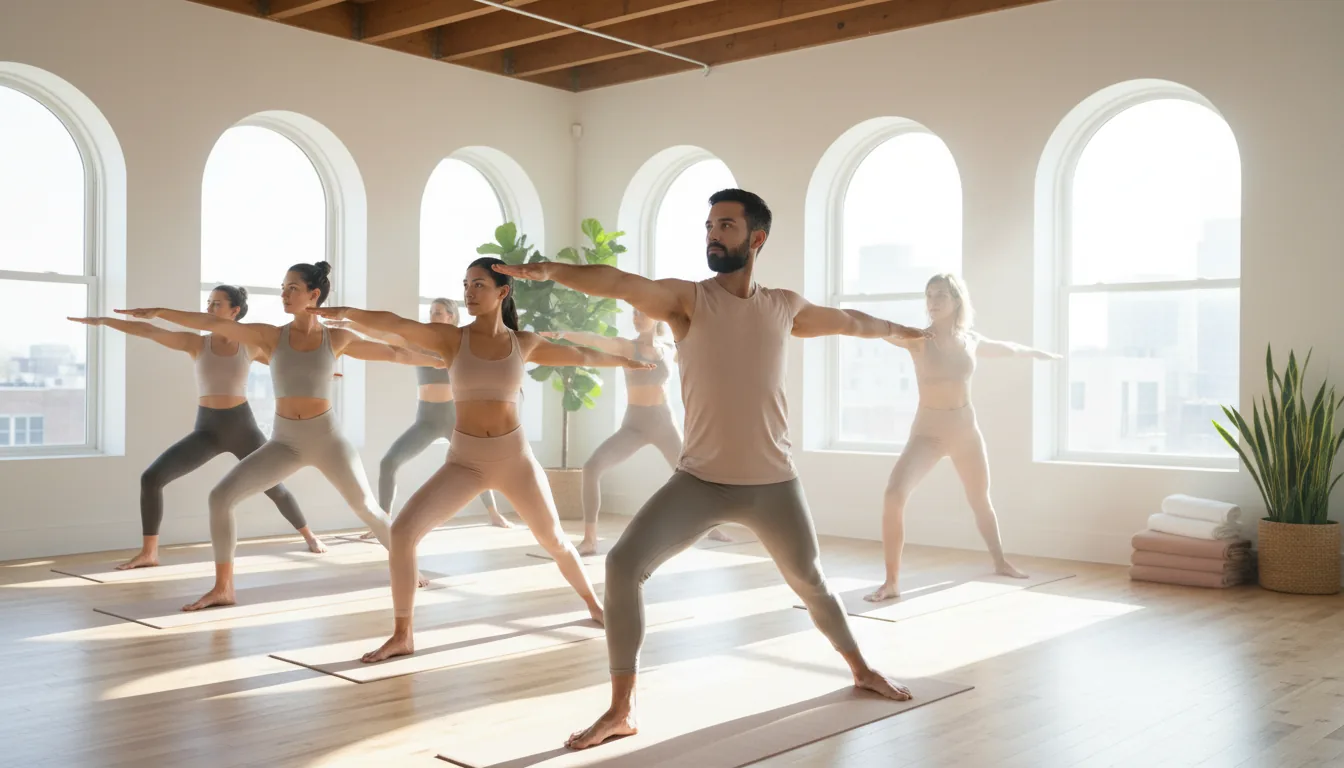
Yoga
Strengthen your body and calm your mind through intentional movement and breathwork.
Explore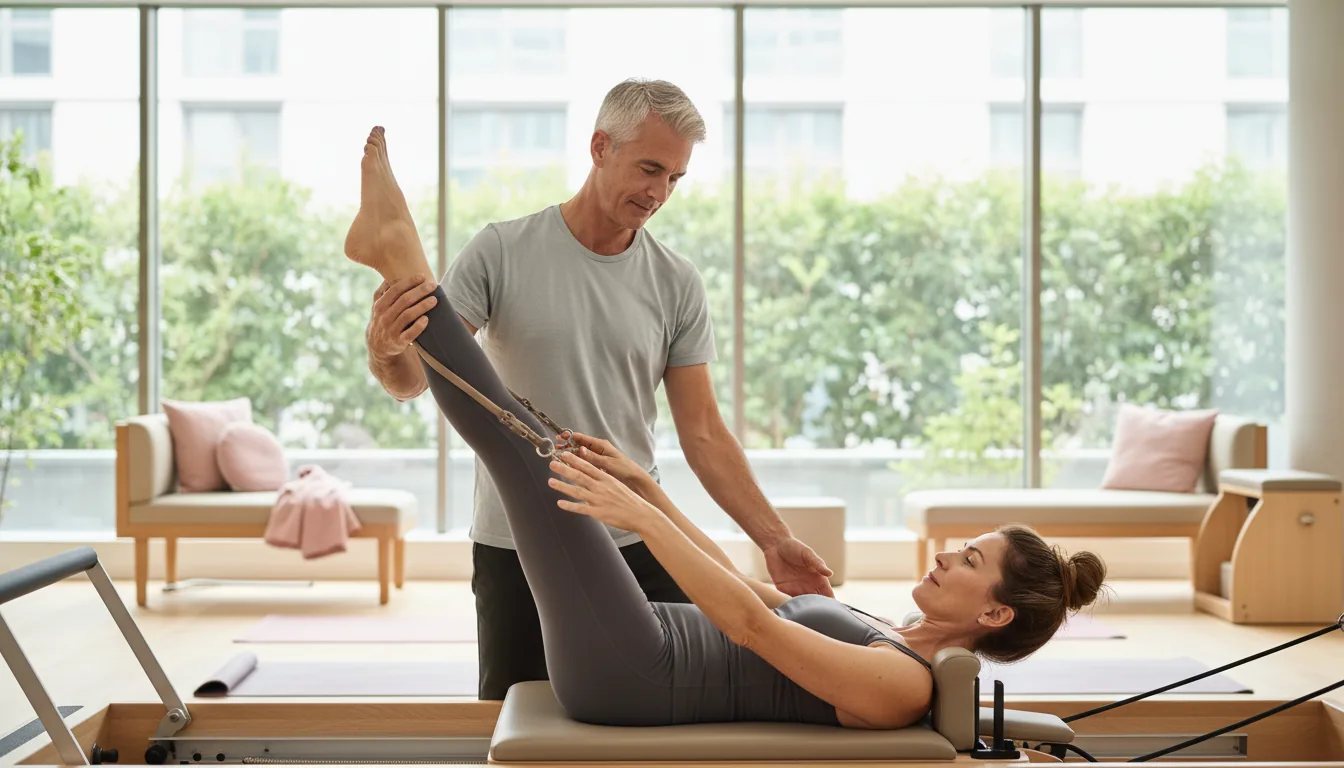
Pilates
Strengthen your core, improve your posture, and enhance flexibility through controlled, precise movements.
Explore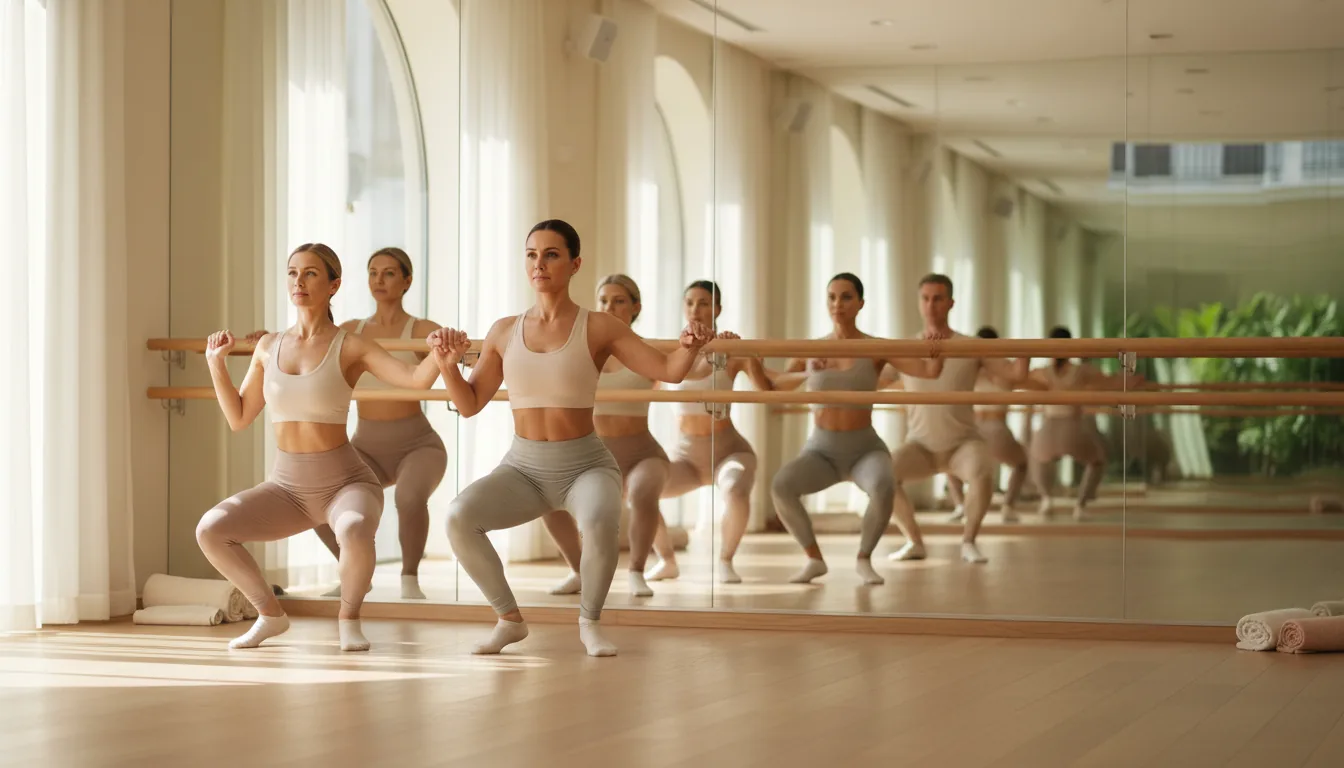
Barre
Build lean muscle and improve your posture with high-repetition, low-impact movements.
Explore