Deep Tissue Massage
Release chronic muscle tension and stubborn knots with focused, therapeutic pressure.
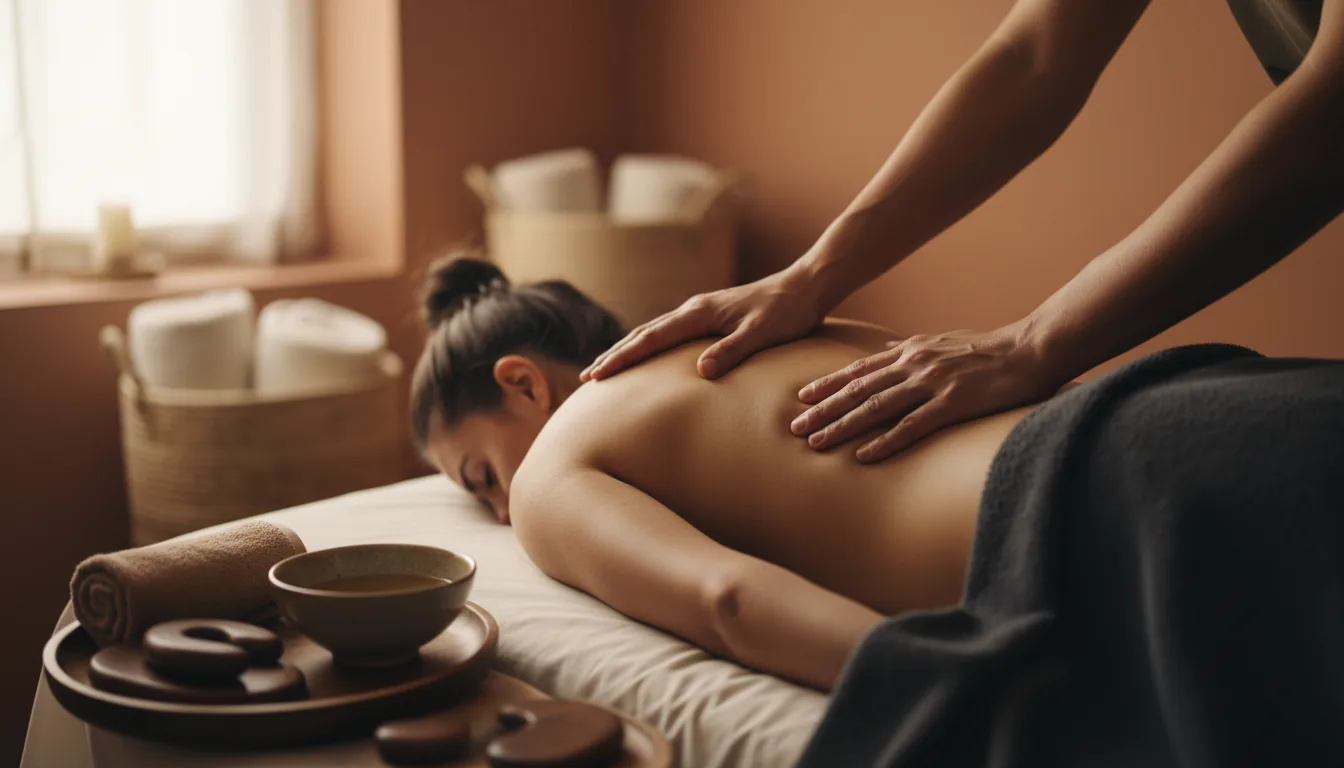
Deep tissue massage is a specialized technique designed to reach the inner layers of your muscles and connective tissues. By using slow strokes and intense pressure, therapists work to break up scar tissue and alleviate persistent muscle tightness.
Understanding Deep Tissue Massage
As the name suggests, this modality targets the deepest layers of muscle tissue to address areas of overstressed tension. When muscles are severely knotted, this therapeutic treatment is designed to break down those adhesions through a combination of slow, short strokes and penetrating finger pressure.
The technique requires a solid understanding of anatomy. Skilled therapists use their thumbs, forearms, and elbows to work the tissue and relieve deep-seated stress that standard massage techniques might not reach.
What Happens During Your Session
Your therapist will typically begin with lighter pressure to warm up the muscles before transitioning to more intense, focused work. They will identify specific areas of concern and apply deliberate pressure to release the tension held in the muscle fibers.
Communication is essential during a deep tissue session. While the pressure is meant to be firm, it should stay within your comfort level. Experienced therapists remain sensitive to your body's reactions and will adjust their technique to ensure the treatment remains therapeutic rather than painful.
- Use of thumbs and knuckles for precision
- Application of forearms and elbows for broader deep pressure
- Focus on specific trigger points or knotted areas
- Slower pace compared to relaxation massages
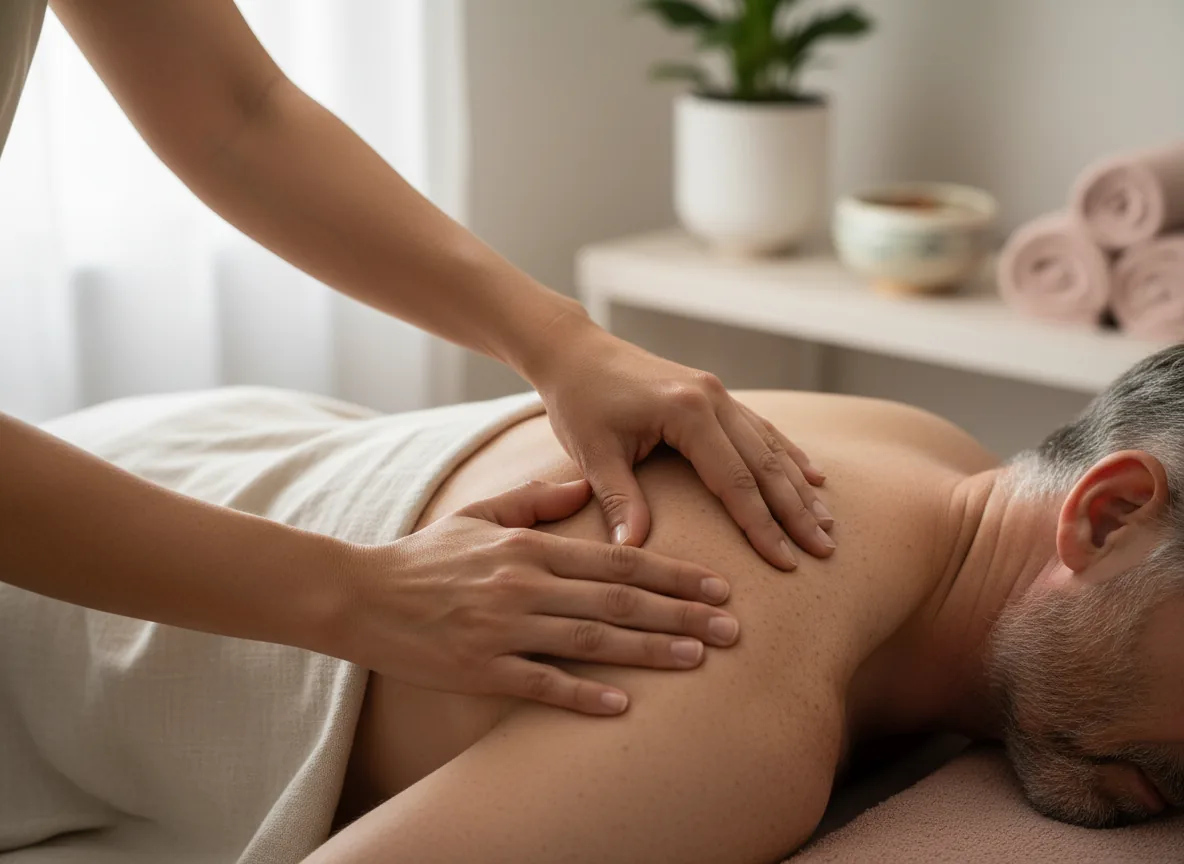
Who It Suits and Safety Considerations
This service is ideal for individuals dealing with chronic aches, such as a stiff neck, low back pain, or sore shoulders. It is also a preferred choice for athletes recovering from injuries or those with physically demanding lifestyles.
If this is your first massage or if you do not exercise regularly, you may find the intensity surprising. It is common to feel some muscle soreness for a day or two following the treatment as your body recovers from the deep work.
Guests with underlying health conditions or those who are pregnant should consult with their doctor before booking a deep tissue session. Always ensure your treatment is performed by a licensed massage therapist.
Preparing for Your Appointment
To get the most out of your visit, arrive hydrated and ready to discuss your specific areas of tension with your provider. Wearing comfortable clothing to and from the spa is recommended, as you will likely want to relax after the session.
After your massage, it is important to drink plenty of water to help flush the body and support muscle recovery. Avoid planning strenuous workouts immediately following your appointment to give your tissues time to rest.
- Communicate your pressure preferences clearly
- Arrive early to complete any necessary health intake forms
- Plan for a warm bath or quiet evening post-treatment
- Use a Spafinder gift card to book at a participating location near you
Deep Tissue questions
Is deep tissue massage painful?
While the pressure is much firmer than a Swedish massage, it should not be unbearable. You may feel some discomfort when the therapist works on a particularly tight knot, but you should always speak up if the pressure feels too intense. The goal is therapeutic relief, not pain.
How does it differ from a Swedish massage?
Swedish massage focuses on relaxation and increasing circulation using long, gliding strokes with light to medium pressure. Deep tissue massage uses more forceful techniques to target the deeper layers of muscle and connective tissue. It is generally less about relaxation and more about addressing specific physical issues.
Can I get a deep tissue massage while pregnant?
Many therapists advise against deep tissue work during pregnancy, especially in the first trimester, due to the intensity and pressure points involved. Prenatal massage is usually a safer, more specialized alternative. Always check with your healthcare provider and ensure your therapist is certified in prenatal care before booking.
Why do I feel sore the next day?
Soreness is a common physical response as the muscles have been deeply manipulated to release long-held tension. This sensation is similar to what you might feel after a heavy workout. Staying hydrated and taking a warm Epsom salt bath can help alleviate this temporary discomfort.
How do I find a provider that accepts Spafinder?
You can use the search tool on the Spafinder website to find local spas and wellness centers that offer deep tissue massage. Spafinder gift cards are accepted at thousands of locations, allowing you to choose a licensed professional that fits your needs and schedule.
Treat someone to Deep Tissue Massage
A Spafinder gift card is accepted at thousands of spas, salons and studios. They choose the place and the time; you give the moment.
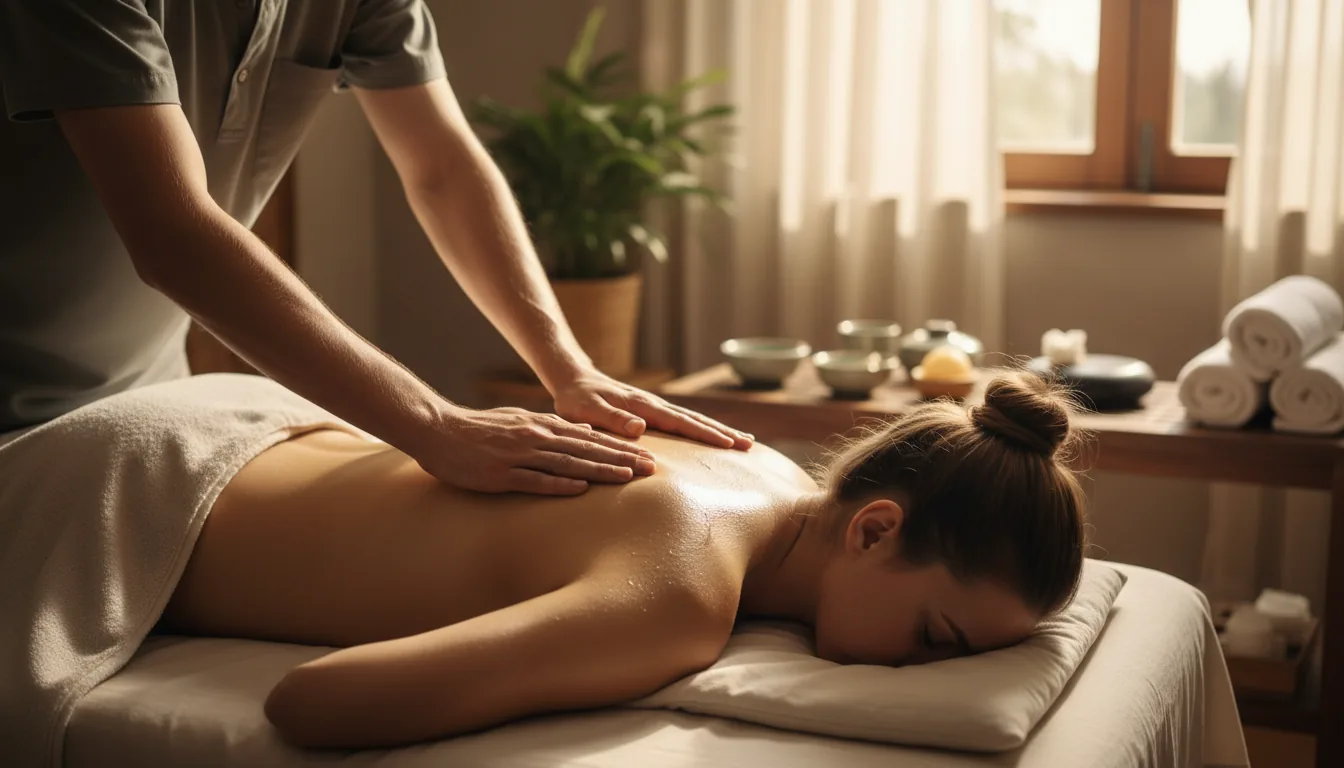
Swedish Massage
A classic relaxation treatment using rhythmic strokes to soothe muscles and calm the mind.
Explore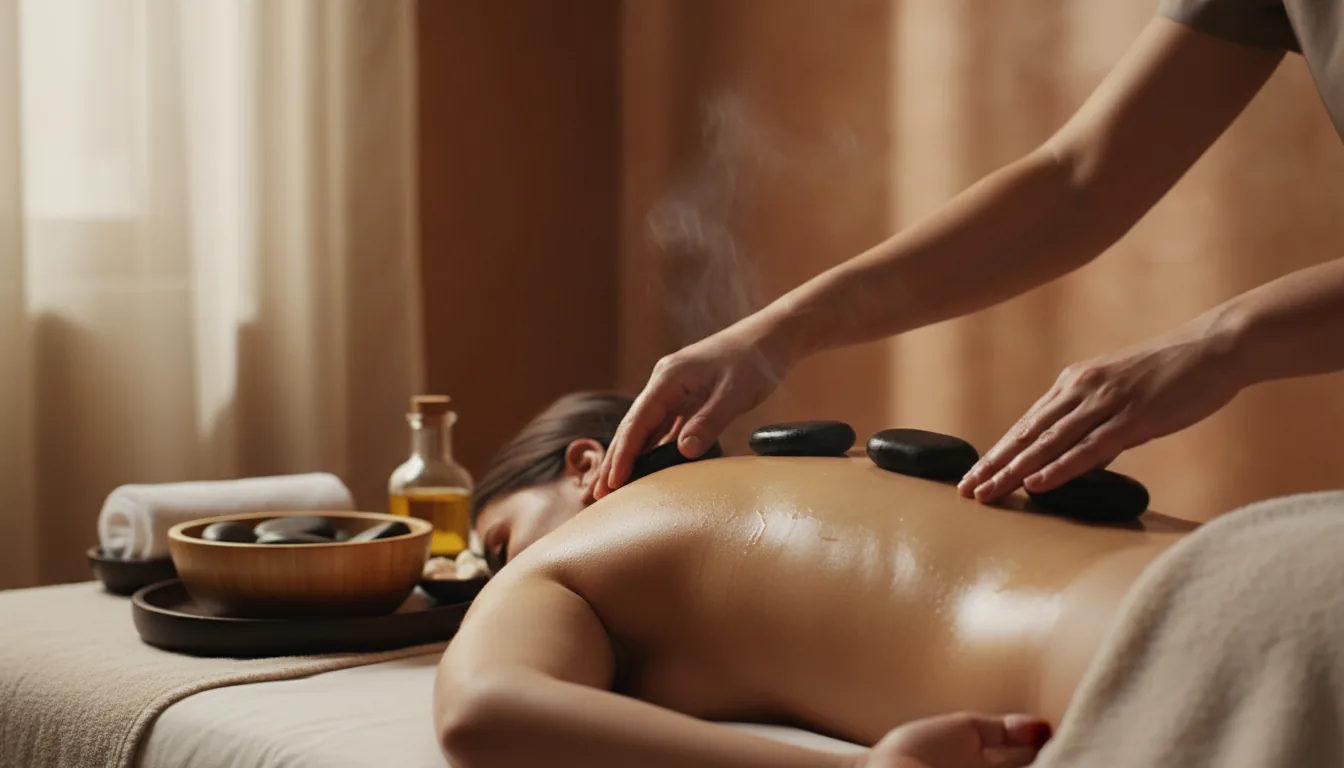
Hot Stone Massage
A soothing body treatment using heated basalt stones to melt away tension and promote deep relaxation.
Explore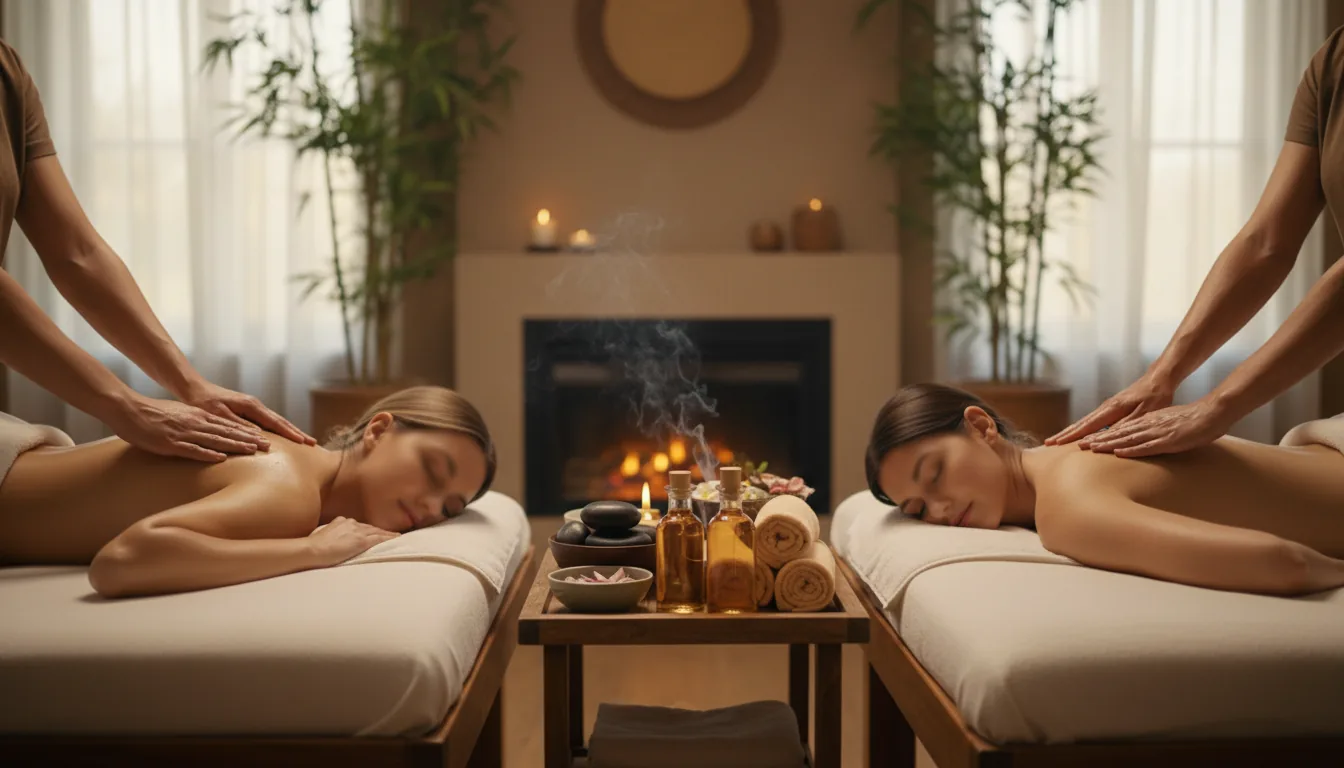
Couples Massage
Share a relaxing massage experience side-by-side with a partner or friend in a tranquil spa setting.
Explore