
Living Well
Find Your Next Spa Retreat
A great spa retreat isn’t necessarily about how far one travels. It’s about how different one feels when the getaway is over.
Wellness Summit architecture, design and wellness experts detailed how everything in buildings will be rethought in the future: air, ventilation, water, light, sleep, and sound/acoustics – even designing “in” more human movement. THE TREND As Wellness Summit presenter, Whitney Gray, PhD, of Delos Living put it, “I’ve never met an architect or real estate developer
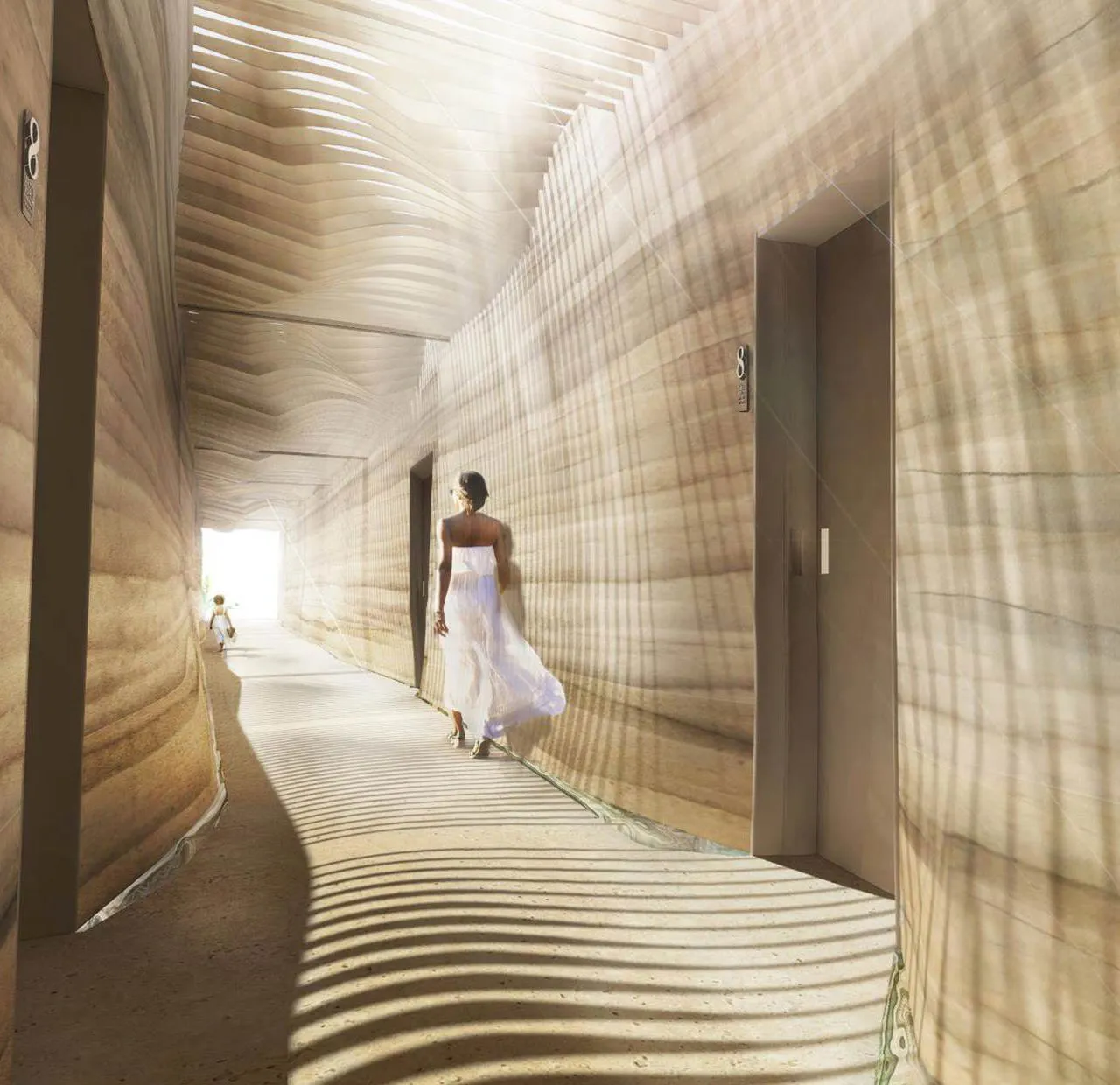
Wellness Summit architecture, design and wellness experts detailed how everything in buildings will be rethought in the future: air, ventilation, water, light, sleep, and sound/acoustics – even designing “in” more human movement.
As Wellness Summit presenter, Whitney Gray, PhD, of Delos Living put it, “I’ve never met an architect or real estate developer with any formal training in human health.”
Architecture has been far too preoccupied with surface aesthetics: with architect-god-heroes conceiving designs to wow, shock, or lay claim to the cutting-edge. Much ego, much beauty on the covers of the Architectural Digests, but with oddly little attention paid to creating designs and using materials that improve the health and happiness of the humans who actually live and work in them – which, last time we checked, was the point of buildings.
But now, through new standards and technologies, building for human health – and a new “wellness architecture” – will be one of the biggest (and most impactful) future wellness trends.
From air quality to indoor acoustics, everything in the built environment will be reevaluated and reengineered.
The strategies will span the simple, like deploying plants that excel at removing deadly air toxins to the highest-tech, like “living” buildings with walls made of algae biofuel cells that grow their own energy or new phone apps that alert you when you’re entering a “sick” building.
The Past:
Architecture has long been obsessed with surface aesthetics, but with precious little attention paid to design and materials that address the physical and mental health of the people that have to live and work in them. So people worldwide have spent far too much time in dangerous “sick” buildings.
New Standards & Research Labs: Architects can’t design for human health without new scientific guidelines. At the DELOS workshop, Summit delegates learned about the “International Well Building Standard” (WELL), busily certifying buildings around 100+ healthy measures (from air to water to light), and now involved in 250 projects across 20 countries.
Also, Mayo Clinic’s new “Well Living Lab”, which scientifically tests how every aspect of architecture and design impacts real humans, to provide evidence-based, practical recommendations – like which lighting can actually sharpen eyesight.
If building standards for environmental health (LEED, BREEAM) were chapter one, the next chapter is standards for human health. For instance, Lockhart of ARUP explained how the Global Real Estate Sustainability Benchmark (GRESB, which ranks real estate assets for sustainability) announced this year that their global benchmark for real estate portfolios will now include human health & wellbeing measures.
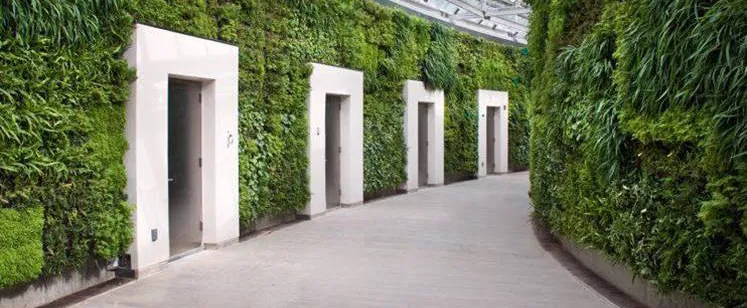
The Indoor Air Pollution Super-Crisis: Experts on the wellness architecture panel hammered home how indoor air pollution is one of the deadliest (if most silent) killers.
Studies show that 14 times as many deaths now result from poor indoor air quality rather than outside air pollution.
And indoor spaces, that got tightened up (around the 1980s), when buildings were sealed for energy efficiency, have become a toxic stew of CO2 and volatile organic compounds (VOCs) from furniture, paints, sealants and fabrics, that cause cancer, heart problems and lung disease.
These “sick” buildings have an “instant effect on people’s health and ability to concentrate.”
Here is a case of environmental sustainability colliding with human health, evidence that you have to consider both, but often independently.
The Future:
So many new technologies are making possible a new “wellness architecture” – which is emerging as one of the most meaningful future wellness trends. Along with new standards that do
for healthy-for-human building what LEED did for the environment.
The prediction: architects/builders will tackle the indoor air quality crisis, with Lockhart and Aguilar of ARUP illustrating the future.
From the creation of “red lists” of known toxic building materials and building instead with things like formaldehyde-free wood and glues free of off-gasses to new outdoor paint that absorbs air pollution, new drywall that traps harmful VOCs/chemicals and new gypsum board installed in HVAC systems (like product “Air Renew”) that permanently traps dust, bacteria, fungus, mold, pollen and VOCs.
Also, there are naturally simple solutions like deploying plants that are proven superheroes at absorbing dangerous chemicals (like mold spores, carbon monoxide and formaldehyde), including Bamboo Palm, Spider Plant, Areca Palm, Golden Pothos and Spathiphyllum.
Alert! Sick Building Identified: Killer apps for identifying killer buildings are coming.
Liz Terry, moderator of the wellness architecture panel, noted that we’re “fast approaching the time when people will have smartphone pollution sensors, constantly monitoring things like harmful CO2 and VOC gas levels… This will be a game-changer: toxic buildings will plummet in value, while healthy buildings’ value will soar, and owners will scramble to take action.
People will refuse to work in toxic offices, live in toxic homes – and who would choose to stay at a toxic hotel or wellness retreat?”
These sensors and apps are not far-off science fiction.
RESET (from China) is the first building standard and app that monitors the health of indoor air and spaces in real-time, allowing tenants to track from any device.
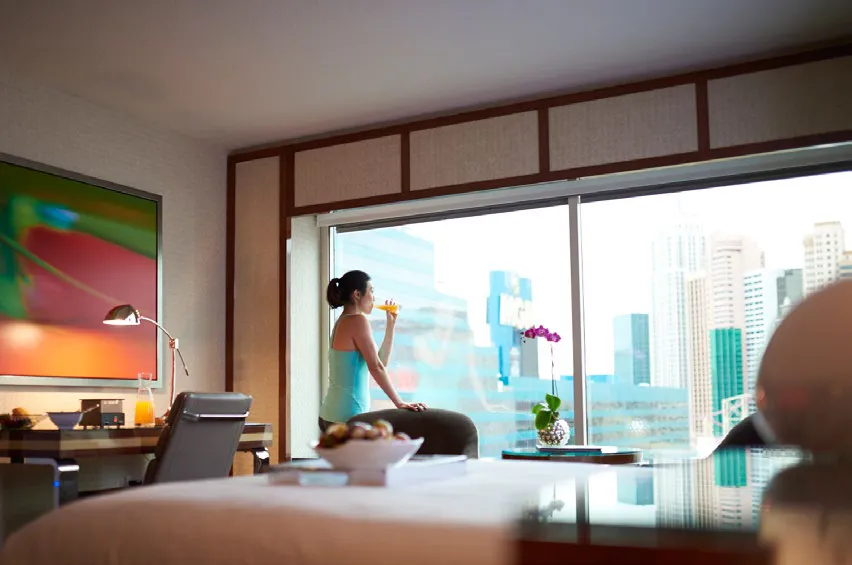
Hotels and wellness retreats need to be leaders in the wellness architecture revolution, and many already are. For instance, Neil Jacobs, CEO of Six Senses, and Kruckeberg of GRAFT (one of their partner architects) explained the brand’s new directions:
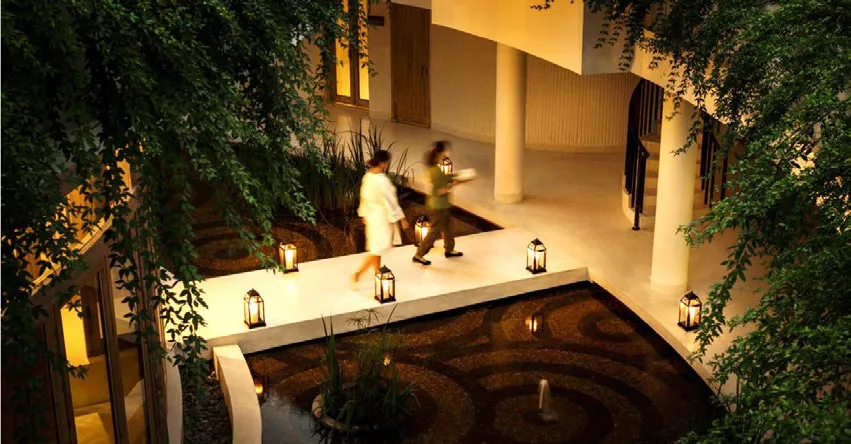
Delos’ Stay Well rooms, which integrate wellness technologies and features that help optimize guests’ health and well-being when traveling – from air and water purification to dawn-simulation and circadian lighting – are on the march. Launched at MGM Grand Las Vegas, they’re also now featured in six Marriott International hotels.
Winston Churchill once said, “We shape our buildings, and afterwards, they shape us”. Well, now a new “wellness architecture” is rising, and it’s been one long time coming. And if the first step is ensuring that our homes, workplaces, schools, hospitals and hotels aren’t just “not sick”, the ultimate future will be buildings designed from the blueprints up to make us healthier, happier and more alive.
A great spa retreat isn’t necessarily about how far one travels. It’s about how different one feels when the getaway is over.

Greater Palm Springs is Southern California’s desert oasis, with nine cities—Palm Springs, Desert Hot Springs, Cathedral City, Rancho Mirage, Palm Desert, Indian Wells, La Quinta, Indio, and Coachella—each offering its own blend of experiences.
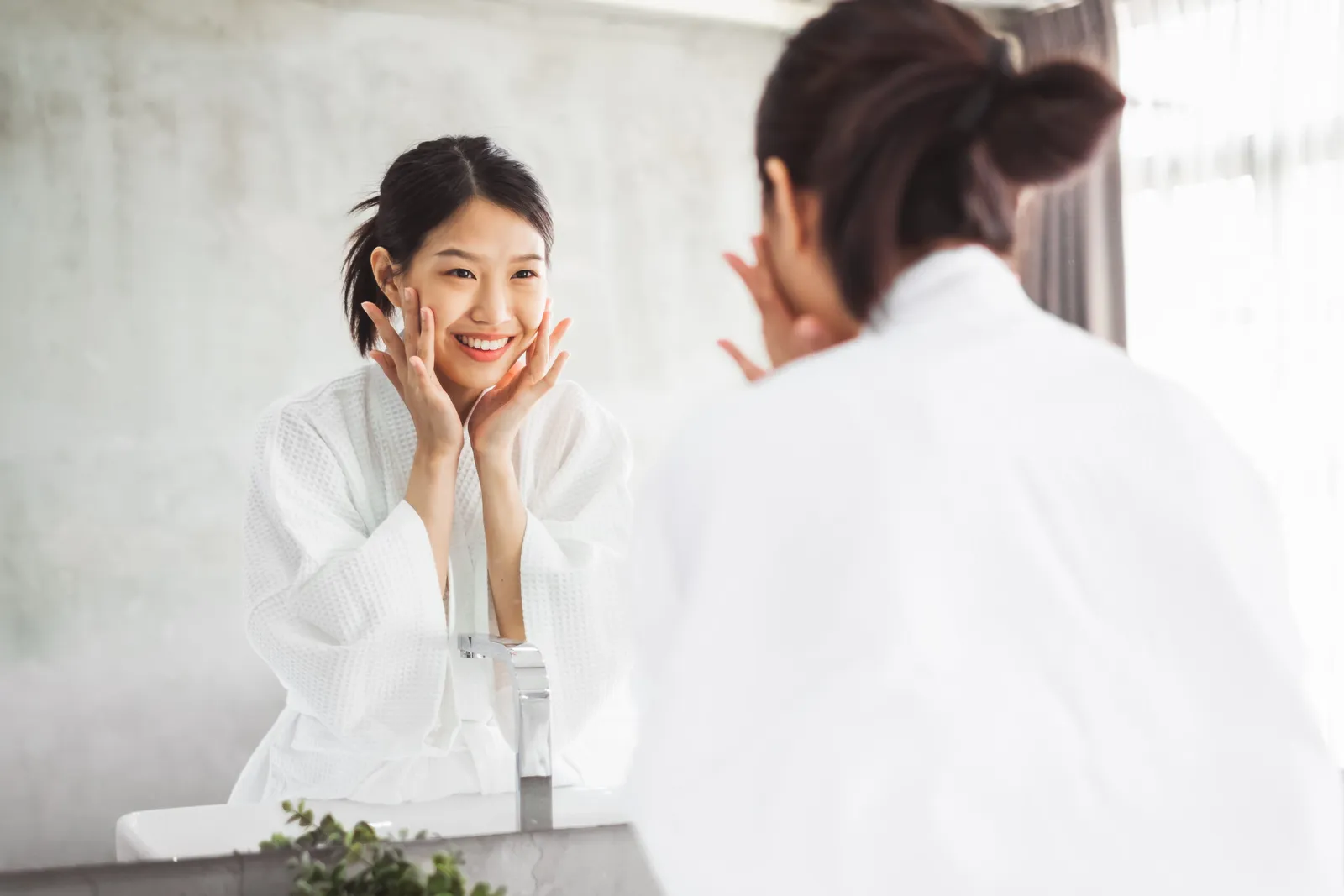
This Autumn, as the leaves change, be sure to change up your skincare routine as well. Fall is the perfect time to reset your skin.