
Spa
Happy Birthday Spafinder! Celebrating 40 Wonderful Years of Wellness
As Spafinder turns forty this year, we look back on the history of the company and the evolution of wellness over the past four decades.
Pregnancy is often described as a beautiful journey, but for many expectant mothers, it also comes with its fair share of discomfort, anxiety, and physical limitations. As labor approaches, questions naturally arise: How can I prepare my body for the intensity of childbirth? Are there natural ways to breathe more easily, stay calm, and reduce pain?
Written by Allana Pinkerton – Tot Squad CPST & Partnerships Manager
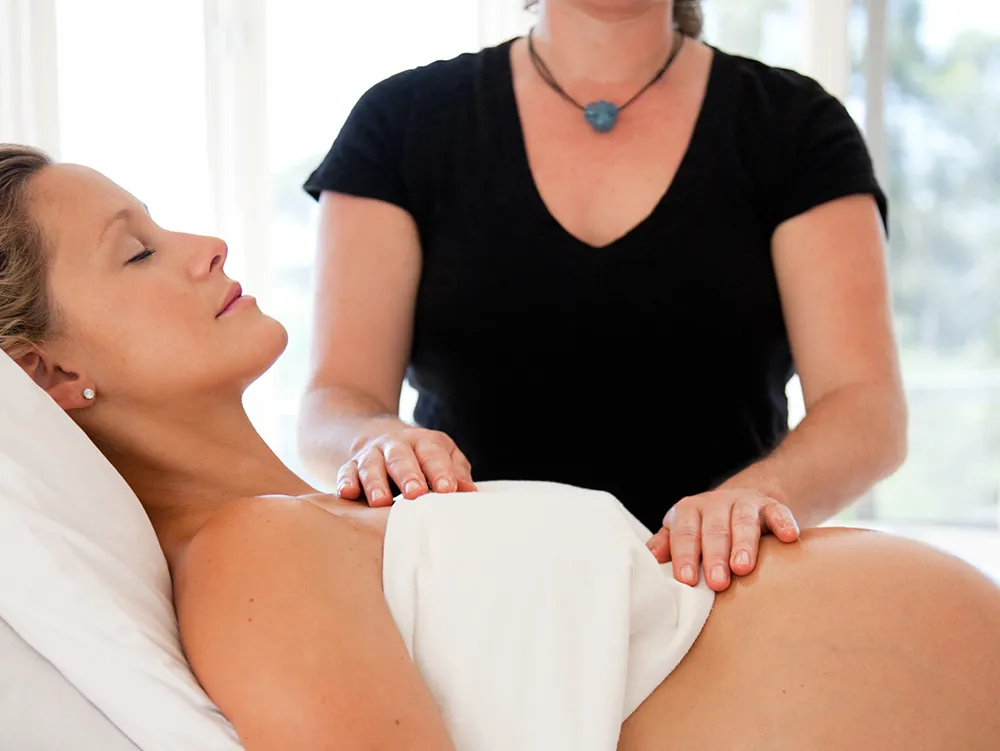
Pregnancy is often described as a beautiful journey, but for many expectant mothers, it also comes with its fair share of discomfort, anxiety, and physical limitations. As labor approaches, questions naturally arise: How can I prepare my body for the intensity of childbirth? Are there natural ways to breathe more easily, stay calm, and reduce pain? One increasingly popular answer is prenatal massage, a holistic practice that offers far more than just relaxation. Research suggests it may support better breathing, oxygenation, and pain management during labor, potentially even contributing to shorter labor duration.
In this article, we’ll explore the respiratory benefits of prenatal massage, how it supports oxygen flow and lung capacity, and why it may play a role in natural pain management during childbirth.
Breathing is the unsung hero of labor. With each contraction, the body demands more oxygen for the mother’s muscles and for the baby, who relies on the mother’s circulation for oxygen supply. Controlled, steady breathing helps regulate contractions, reduce tension, and sustain stamina throughout labor. Yet many women find their natural breathing rhythm disrupted by pain, anxiety, or fatigue, leading to shallow inhalations and decreased oxygen intake.
Prenatal massage can play a vital role in addressing these challenges. By releasing physical tension and calming the nervous system, massage may help expectant mothers breathe more deeply and consistently during childbirth, providing both physical endurance and emotional grounding.
Massage is widely known to improve circulation, relax tight muscles, and reduce stress, all of which directly influence respiratory health. Tension in the chest, rib cage, and diaphragm can restrict full lung expansion, while stress and anxiety often trigger shallow “fight-or-flight” breathing.
Prenatal massage encourages the opposite: relaxation of muscles around the chest and shoulders, increased lung capacity, and activation of the parasympathetic nervous system, which restores slower, deeper breathing patterns.
Research shows that massage therapy can improve blood and lymph circulation, which enhances oxygen delivery throughout the body¹. For expectant mothers, this means more efficient breathing and better support for both maternal and fetal oxygen needs during labor.
This enhanced oxygen flow can be especially valuable during contractions, when both mother and baby need maximum support. For many women, the immediate sensation after a prenatal massage is the ability to breathe easier, a benefit that carries into the delivery room with consistent therapy.
As pregnancy progresses, the growing uterus presses upward, limiting lung expansion and often making breathing feel more labored. Poor posture, chest tightness, and shoulder strain only add to the restriction.
Prenatal massage can help by releasing tight muscles, restoring better posture, and freeing the diaphragm to move more fully. This allows expectant mothers to take deeper, more efficient breaths.
Studies suggest that when massage is combined with diaphragmatic breathing, it can increase lung efficiency and oxygen uptake, leading to calmer labors and potentially shorter delivery times².
Deep belly breathing itself stimulates the parasympathetic nervous system, lowers cortisol levels, and improves oxygen uptake². When paired with consistent prenatal massage, these effects are amplified, contributing to greater endurance for the mother and better oxygen support for the baby during contractions.
In this way, the respiratory benefits of prenatal massage are not just about comfort—they may directly influence labor performance and outcomes.
One of the most well-documented advantages of prenatal massage is its impact on pain. Massage promotes the release of endorphins, the body’s natural painkillers, while reducing stress hormones such as cortisol³. This dual action alleviates muscle soreness and enhances emotional resilience, allowing mothers to better cope with labor contractions.
Several clinical studies have found that women who received massage during pregnancy reported lower pain scores during labor and in some cases experienced shorter labor durations or reduced reliance on medical pain interventions³. In fact, a randomized clinical trial conducted by Field and colleagues found that women who received massage during labor experienced significantly less pain and labors that were, on average, about three hours shorter³.
While outcomes vary, the evidence highlights massage as a valuable complementary therapy. By easing physical discomfort, prenatal massage allows mothers to focus on breathing techniques and emotional connection rather than being overwhelmed by pain.
Labor is a physical event and an emotional and psychological journey. Stress, fear, and fatigue can heighten perceptions of pain and hinder effective breathing. Prenatal massage helps address these barriers by reducing anxiety, stabilizing mood, and improving sleep quality.
A review of multiple clinical trials also found that prenatal massage lowered stress hormones, reduced rates of depression and anxiety, and even contributed to better neonatal outcomes such as higher birth weight and lower risk of preterm delivery⁴.
For many expectant mothers, the routine of regular massage sessions becomes a form of self-care that builds confidence and strengthens body awareness. This holistic preparation contributes to a calmer mindset, making it easier to engage in mindful breathing, relaxation techniques, and coping strategies once labor begins.
Safety should always be the top priority. Prenatal massage should only be performed by licensed therapists trained in pregnancy massage. These professionals understand safe positioning (such as side-lying instead of lying flat on the back) and know which pressure points to avoid during pregnancy.
Expectant mothers should always consult with their healthcare providers before beginning prenatal massage, particularly if they have high-risk pregnancies or medical complications. When practiced safely, however, prenatal massage is considered a gentle, non-invasive, and effective way to support both mother and baby.
As the due date nears, many mothers-to-be are looking for safe, natural ways to prepare their bodies for the intensity of childbirth. The respiratory benefits of prenatal massage stand out as a unique advantage helping expectant mothers breathe more deeply, oxygenate more efficiently, and maintain calm through contractions. Paired with its proven effects on pain management, prenatal massage offers a holistic way to approach labor with greater confidence, resilience, and readiness.
While no single therapy can guarantee an easy labor, prenatal massage provides meaningful physical and emotional support that may make the birthing experience smoother for both mother and baby.
Allana Pinkerton is a Child Passenger Safety Technician (CPST) and Partnership Manager at Tot Squad, where she’s passionate about keeping families safe and supported. She combines hands-on expertise in car seat safety with her role building meaningful partnerships that connect parents and caregivers with the trusted resources they need.
As Spafinder turns forty this year, we look back on the history of the company and the evolution of wellness over the past four decades.

Start your summer off right with some special spa offers on some incredibly advanced skincare treatments. They will make your skin glow!

The Sawgrass Spa at the Sawgrass MArriott Golf Resort & Spa is the perfect retreat after a day of hitting golf balls or spent getting a tan on the beach!