
Health
Harvest Your Health: Make Wellness Part of Your Routine This Fall
This fall, harvest your health and make sure to include wellness in your routine this autumn. It will make you happier and healthier.
Regular self-exams are your best protection against breast cancer. If you feel a lump or notice skin changes, let your doctor know.

October is Breast Cancer Awareness Month and it’s hard to miss all the articles and posts about breast cancer— not to mention the color pink. We believe knowledge is power and if you haven’t had a recent breast exam or mammogram, now is the time to schedule an appointment. However, remember that regular self breast exams are your best protection. If you feel a lump or notice skin changes that don’t seem right, let your doctor know immediately. And if your doctor brushes off your concerns but you are still worried, it’s crucial to get a second opinion.
Most women aren’t encouraged to have a mammogram tests before age 40, but cancer can occur in younger women. And if you are a breast cancer survivor, you know all too well that this cancer that impacts more than 300,000 women in the United States a year can come back. This is why self breast exams are your first and most important line of defense.
Kristi Funk, MD is a renowned breast surgeon and founder of the Pink Lotus Foundation, a nonprofit organization that enables low-income, uninsured and underinsured women in the United States to receive 100% free breast cancer screening, diagnosis and treatment services, In this easy-to-understand video, Dr. Funk show Rachel Ray how to self-exam and explains why girls in their teens should get comfortable with looking at—and touching—their breasts. (Who knew nipples can change from innies to outies?)
Starting at age 40, everyone should have an annual mammogram. That’s the rule and it’s important to stick to it. However, mammograms don’t catch all types of breast cancers, including fast-moving inflammatory breast cancers that may first show up as a change in your skin. As noted in this article on Cancer.org, inflammatory breast cancer:
We’re not trying to frighten you, but we do want to emphasize the importance of self-exams. Trust your instincts if you sense something is wrong!
Thanks to efforts by remarkable organizations that fight breast cancer, a cancer diagnosis is no longer a death sentence. According to Cancer.net, the average 10-year survival rate for women with non-metastatic invasive breast cancer is 84%, and if an invasive breast cancer is located only in the breast, the five-year survival rate of women with this disease is 99%. The data shows most women are cured if the cancer is diagnosed at an early stage. But that diagnosis begins with you. Make a pledge today to conduct a monthly self-exam and get to know your breasts. (If you have an intimate partner, he or she can assist with the exam.)
Moreover, if you have young daughters, introduce them to monthly exams starting at age 13 and help them be comfortable with their breasts. It could save their lives.
If you’ve had breast cancer surgery, check out this Spafinder article on sexy and feminine post-mastectomy bras.





This fall, harvest your health and make sure to include wellness in your routine this autumn. It will make you happier and healthier.
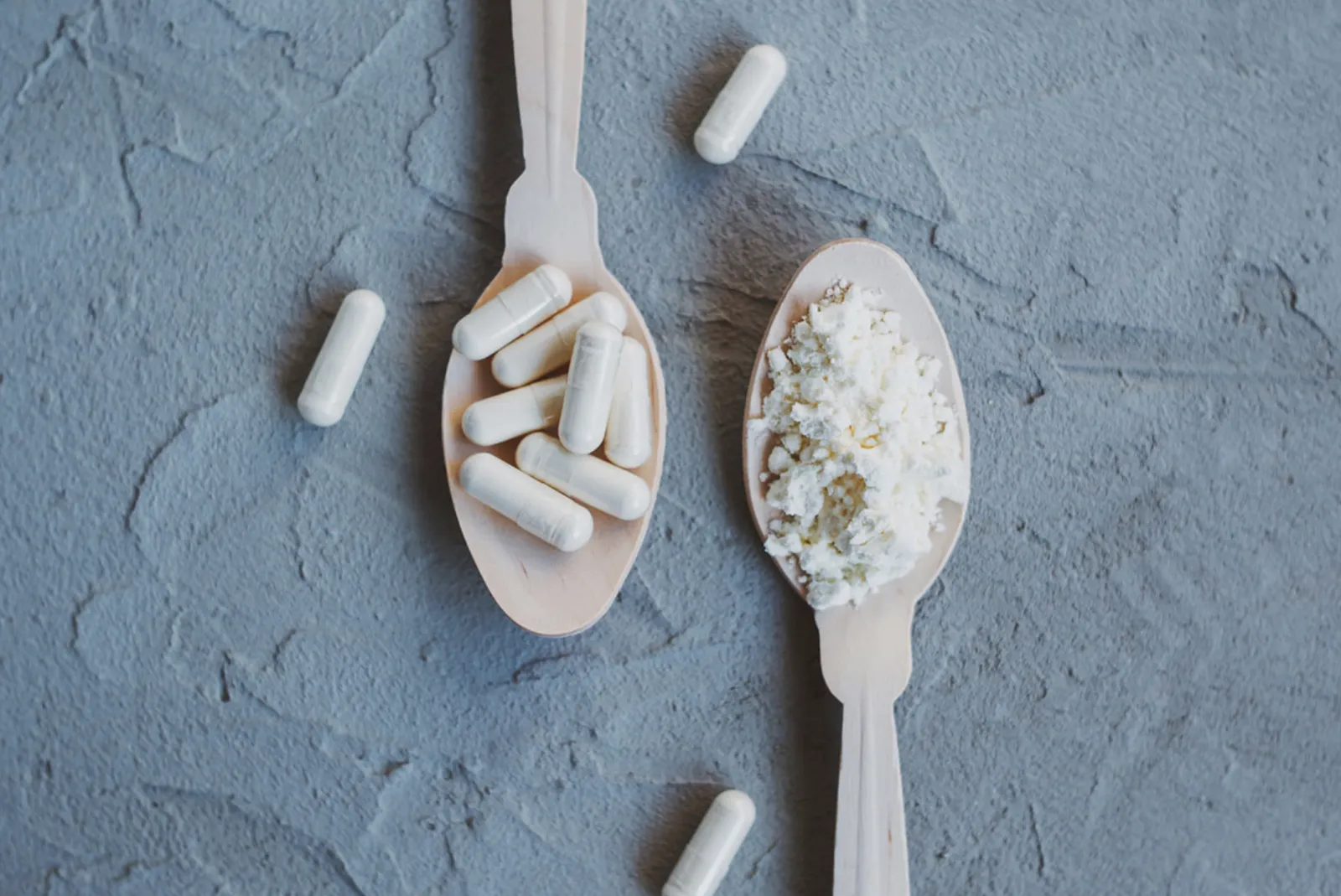
Colostrum supplements are all the rage but what are they really, what are they good for, and are they safe in the long run?

Be mindful this March and find a new stress management technique and routine that allows you to be the best you.