Fitness
Self-Care Essentials – The Power of Pilates
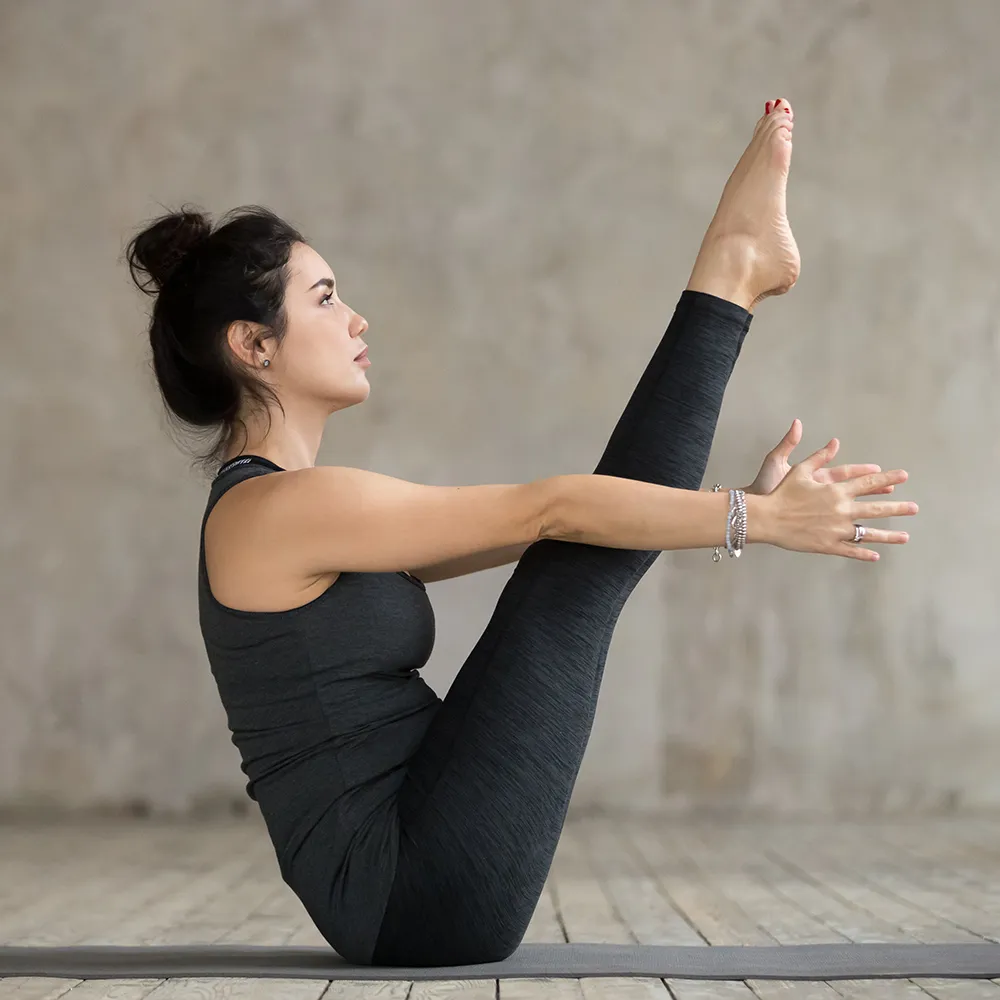
If you are looking for a low impact, easy to start exercise routine, look no further than Pilates. Perfect for any level, it’s a great workout for all
Have you heard of Power Plate? We give this vibrational workout a try and talk to CLAY Health Club + Spa about how it works.
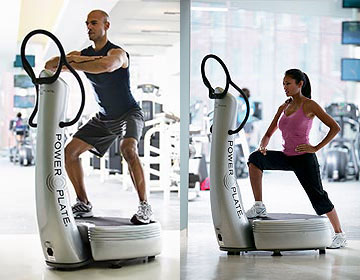 Using vibrating machines to work out or lose inches is by no means a new concept; remember those vibrating belts from the ’50s and ’60s that claimed to shake the fat off your body? While that workout method had questionable efficacy, there’s a more modern piece of equipment that has been taking the U.S. by storm in the past few years. Power Plate, well-loved throughout Europe before making its way to U.S fitness centers, can be a great workout enhancement to tone and strengthen in as little as 30 minutes, two to three times a week.
Developed 60 years ago as a part of the Russian Space Program and later used by Russian Olympic athletes as well as by therapists for rehabilitation purposes, Power Plate technology offers a low impact yet intensive workout that can increase muscle strength, lean muscle mass, circulation and bone density. The workout is modifiable from the exercises performed to the vibration level and amount of time for each set of reps.
“It gives you a core workout – it’s like an amped up version of Pilates,” says Keith Barile of CLAY Health Club + Spa in New York City. Barile is also a former professional skier and uses Power Plate himself. “A strong core is important for skiing and Power Plate is great for the knees, bones, quads and lower body as well.”
While you can hold stagnant positions, Barile says, you can maximize the effects and intensity of your workout by performing on the machine the same resistance-based movements and exercises you would normally do on the floor, like squats, lunges, push-ups and tricep dips. On the floor, these exercises use about 40% of your muscles, whereas doing them on the Power Plate works 100% of them, Barile explains.
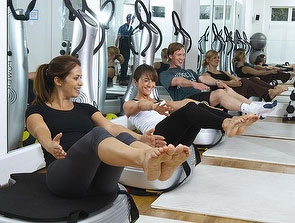 “There’s a learning curve for those who have never used it and many misconceptions about Power Plate,” he points out. At CLAY, someone is always available to show guests how to use the machine. Admittedly, I was a bit skeptical at first as well, before I realized you don’t just stand on the machine and magically lose inches and get toned.
As I went through 45 seconds of squats on the machine during a recent visit to the posh, comprehensive health club—complete with two studios in which 60 fitness classes a week are held, an organic food and smoothie café, a plethora of workout equipment, roof deck, nutrition services, private saunas and a four-room spa—Barile told me that the recommended no-more-than-30-minutes on the Power Plate machine is equivalent to an hour to an hour-and-a-half of working out. After going through about four to five movements, I felt like I had a fairly full-on strength-training workout. CLAY will be getting another Power Plate next month called the my7, the latest model to hit the market with programmable workouts.
While research studies have not found any side effects related to Power Plate, another health and wellness website has published that excessive use (over 30 minutes, more than two to three times a week) of the machine could potentially cause low back pain, cartilage damage and other side effects. To be safe, limit your use to the recommended times and as always, consult with your doctor and/or trainer about any concerns you might have.
Here are some key takeaways in using the Power Plate:
If you are looking for a low impact, easy to start exercise routine, look no further than Pilates. Perfect for any level, it’s a great workout for all
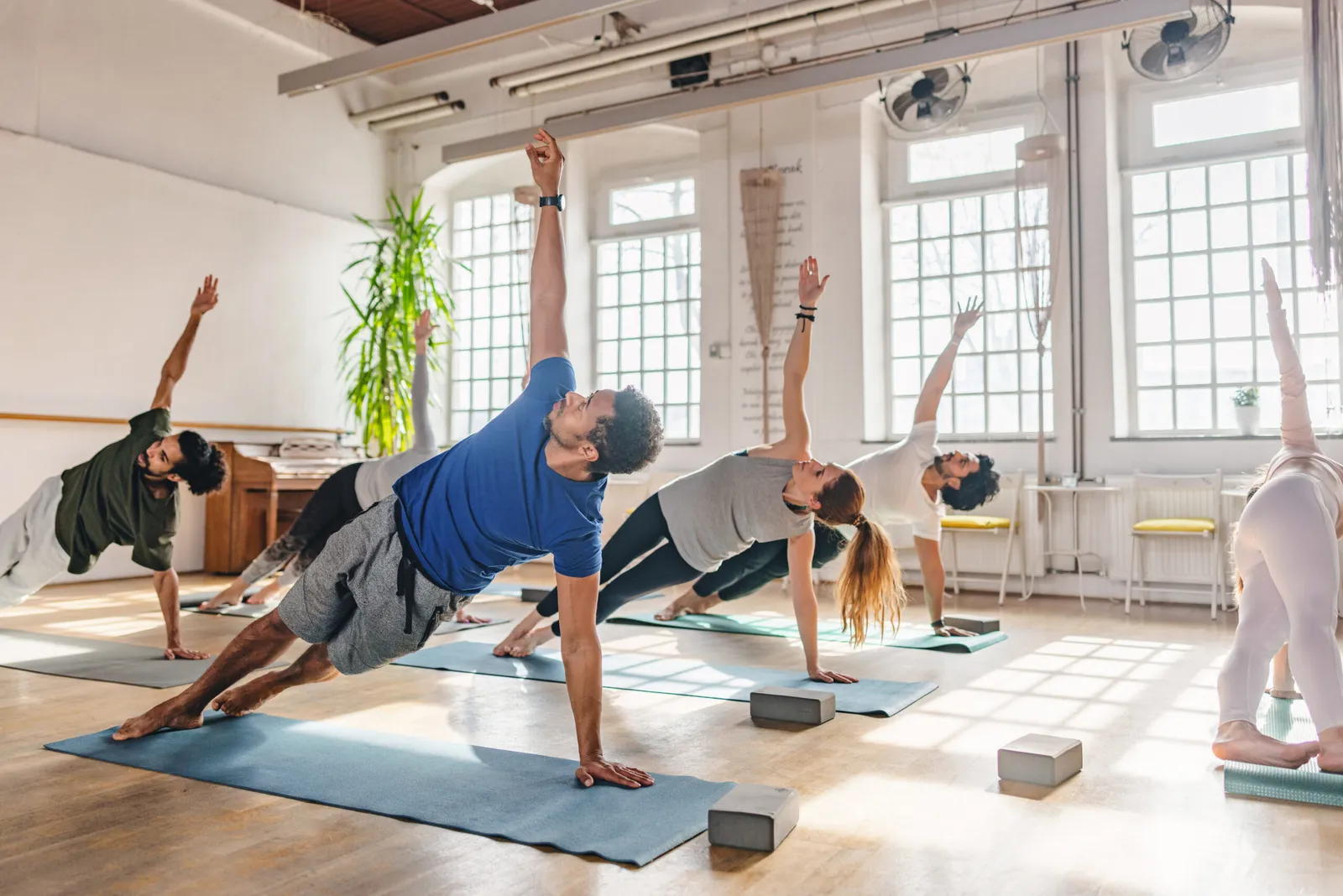
Gyms can be loud and a sensory overload. If you are already struggling with feeling overwhelmed or mentally frazzled, you probably don’t want to sweat under bright unforgiving lights. However, embracing a fitness routine doesn’t mean compromising on relaxation. By blending spa-like elements into your workouts, you can optimize both physical and mental well-being. Whether

Rucking is pretty straightforward. It involves putting weight in a backpack and walking with it. That’s it!